
Style Guide
Trends Yes, Disguise No: Here’s How to Achieve Balance
When I think of trends, a very clear idea comes to mind: fashion is in my DNA, but that doesn’t mean I wear everything that hits the runway. It means filtering, adapting, and keeping only what enhances my style.
In this guide, I want you to do just that: understand what’s currently in fashion and how to wear it naturally, without feeling like you’re in disguise, without getting lost among colors, impossible cuts, or garments that don’t suit you.
The key is simple: trend + personal base + balance. With that formula, you can try new things without losing your identity when you look in the mirror.

The Trends That Are Most Visible Right Now (and Why They Work)
Before discussing how to adapt them, you need to have a clear picture. It’s not an endless list; these are the lines that repeat the most and that you truly see on the streets.
1. Bright Neutrals and Soft Layers
Cream, beige, off-white, and light gray colors are everywhere. Why? Because they create a very polished effect effortlessly and combine effortlessly.
- Advantage: it’s nearly impossible for them to clash with each other.
- Risk: if overdone, it may seem “too perfect” or unrealistic for your day-to-day.
- How to soften it: add texture (thick knit, linen) or a bag with character.

2. Wide Pants and Relaxed Silhouettes
Skinny jeans are no longer in charge. Baggy, wide leg, and straight leg pants are still at the forefront, especially in fluid fabrics or soft denim.
- Advantage: comfortable, stylish, and balance the upper part well.
- Risk: if you also wear very oversized pieces on top, you may feel “swamped.”
- Tip: combine volume on the bottom with something more defined on top (fitted shirt, crop top, tucked-in blouse).

3. Boho and Festival Touch, But Refined
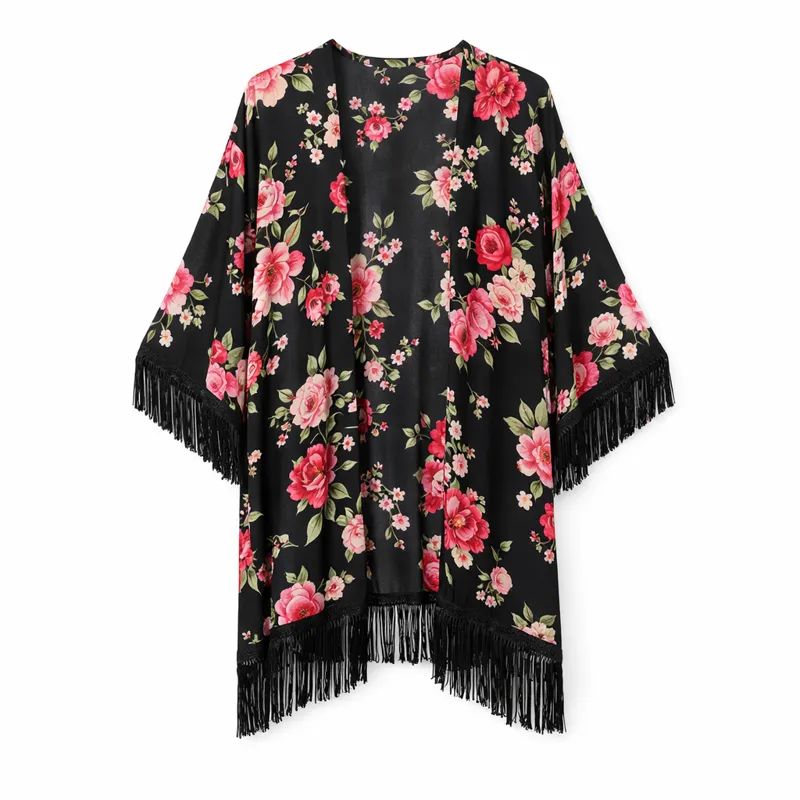
Boho comes back every spring-summer, but now it arrives cleaner: fewer layers, fewer embellishments, and more focus on a single piece (a dress, a kimono, a special top).
- Fluid white or cream dresses.
- Details of exposed shoulders or voluminous sleeves.
- Printed kimonos over basic solid colors.

4. Minimalism with a Protagonist Piece
Here there are two paths: the soft minimalism of everyday life and a more glam touch that edges towards editorial, with shine and bolder cuts.
- Day: straight jeans + simple blazer + white t-shirt.
- Night: black jumpsuit, satin slip dress, metallic piece.
According to the experience of stylists trained in major fashion capitals, the key to making a special piece work is to surround it with silent basics: when the dress, jumpsuit, or kimono already speaks, the rest of the look simply complements.
How to Filter Trends According to Your Personality (Without Self-Deception)
This is where you transition from theory to your actual wardrobe. It’s not about following an endless test, but about quickly locating yourself and understanding which trends require the least effort.
Your Quick Style Map
Think of these four labels as a starting point. You can mix, but there will always be two that define you more.
Minimal Chic
Soft Boho
Urban Casual
Relaxed Elegant
- Minimal Chic: you feel comfortable with few colors, clean lines, and garments without odd prints.
- Soft Boho: you love flowing fabrics, long dresses, a touch of craftsmanship, but you don’t want to look like a festival costume.
- Urban Casual: you live in jeans, sneakers, sweatshirts, jackets; comfort is non-negotiable.
- Relaxed Elegant: you like to be dressed but not rigid: tailored pants with sneakers, blazers with t-shirts, midi dresses.
Checklist to Identify “This Is Not Me”
When you try a new trend, ask yourself these questions in front of the mirror:
- Would a friend recognize me in this look? If the answer is no, it’s a disguise.
- Would it change the way I move? If you walk strangely, adjust your clothes every 2 minutes, or feel “in character,” be cautious.
- Could I repeat this look with at least two pieces I already have? If it only works with that new piece 100%, it’s unrealistic.
- Would I wear this on any ordinary Tuesday? It doesn’t have to be literal, but if you only see it for “vague special occasions,” it might not be for you.
Key Tip: when you love a trend but feel overwhelmed, reduce the volume. Instead of super baggy pants, try straight wide ones. Instead of a total boho look, stick to just the special top.
Concrete Examples: From the Runway to Your Wardrobe Without Disguises
This is where we land everything. I propose very real situations and how to bring each trend down to something you can wear tomorrow.
1. Flexible Office: Comfortable Yet Polished
If there’s no strict dress code at work but you don’t want to wear sweatpants, combine trend and structure.
- Wide pants in a neutral tone (beige, taupe).
- High-quality, plain cotton t-shirt.
- Lightweight blazer or fine knit cardigan.
- Clean white sneakers or flat loafers.
Key of the Look: the pants follow the “baggy” trend, but the other pieces are classic, so you don’t feel like you’re in street style disguise.
2. Dressy Night Without the Classic Dress
If you want to step away from the usual dress, the elegant black jumpsuit is your best friend.
- Clean-cut black jumpsuit (straight leg or slightly wide leg).
- Fine sandals or comfortable heel pumps.
- Shiny earrings and a small clutch.
- Glowy makeup and simple hairstyle (low ponytail or soft waves).
This way, you embrace the party jumpsuit trend, but with a versatile piece that doesn’t sit in your closet waiting for “the perfect occasion.”

3. Weekend Getaway: Real Capsule Wardrobe
For a 3-4 day getaway, it works much better to think in terms of a capsule wardrobe rather than loose looks. The goal: everything should combine with everything.

- 1 wide neutral pant.
- 1 straight cut jeans.
- 2 basic tops (white and black or white and nude).
- 1 trend piece (floral kimono, boho top, flowing dress).
- 1 lightweight layer (denim jacket, blazer).
- 1 pair of sneakers and 1 pair of sandals.
The trend piece changes the mood of the rest. If today you feel more boho, take out the kimono; if you want something cleaner, reach for the blazer.
4. Spring in the City Without Feeling “Runway Ready”
For everyday life in the city, I suggest a very simple formula:
- Wide pants (jeans or tailored).
- Simple top tucked in to slightly accentuate the waist.
- Top layer: light trench, cropped jacket, or fine cape coat.
- Bag with some personality (color or shape).
With this combination, you’re in line with trends, but you still see yourself as you. Nothing screams disguise; everything adds up.
Accessories and Details That Update Your Style Without Changing Who You Are
If you currently don’t want (or can’t) overhaul half your wardrobe, focus on the details: they are responsible for making a look feel 2024-2025 or stuck in 2014.
Sunglasses: The Quick Gesture That Stands Out the Most
A good frame can save even the most basic look. The trick is to balance the shape of the face, personal style, and trend.

- If you’re minimal: go for fine rectangular designs or soft cat-eye shapes in black, tortoise, or nude.
- If you lean towards boho: opt for round frames, slightly gradient lenses, and gold metal.
- If you like an urban touch: choose more pronounced models, with wide temples or solid colors.
Bags, Belts, and Subtle Jewelry
You don’t need a viral bag to refresh your style. What truly revitalizes is the proportion:
- Mini structured bags over wide garments.
- Thin belts to emphasize the waist when wearing layers.
- Very fine gold or silver jewelry to add light without overwhelming.
Hair and Makeup: The Overlooked Part of the Look
Often, you feel that an outfit doesn’t suit you, and the problem isn’t the clothes, it’s how you complement it. A minimal look with a very rigid hairstyle can come off as “wedding attire” unintentionally.

Always consider the complete ensemble: clothing, hair, makeup, and accessories tell the same story or clash with each other.
How to Test Trends Without Overspending
If you dive into buying everything you see on social media, it’s easy to end up with a wardrobe full of pieces you barely use. To avoid this, try this system:
1. Start with the Color, Not the Garment
If there’s a trendy color calling to you (pastel pink, lime green, silver…), try it first in small things: nails, accessories, cheap t-shirt, scarf. If you like it, you can move on to a more significant piece.
2. Rent, Swap, Borrow
Before buying a very specific dress or a “statement” coat, see if you can find something similar without a long-term commitment. This allows you to test how you feel without a large investment.
3. The Three Looks Rule
Every time you want to add a new trend to your cart, ask yourself:
- Which three pieces in my wardrobe can I combine it with right now?
- Can I wear it for three different occasions (work, casual, night out)?
- Does it fit with at least one of my “base styles” (minimal, boho, urban, elegant)?
If you can’t answer clearly, it’s probably just a costume piece rather than a staple wardrobe item.
Common Mistakes That Make a Trend Feel Like a Disguise
To conclude, I want you to see what things we usually do that distance us from our style. These are small details, but they can totally change how you feel when wearing something.
1. Copying the Entire Look Exactly
Seeing something on Instagram and wanting to replicate it piece by piece is the fastest way to lose your way. That person has a different body, lifestyle, city, and even light.
2. Ignoring Your Climate and Routine
It’s not the same dressing for a city with rain every day as it is for a summer of 40 degrees. If a trend demands impossible sleeves, impractical shoes, or too many layers for your routine, it shows that you and that look are from different worlds.
3. Thinking Wearing a Trend = Changing Your Personality
Clothing should accompany who you are, not replace it. If you’re more reserved, it’s normal that a huge print or a marked shine feels difficult. You can start in “less visible” areas: bags, shoes, bottom pieces.
4. Wanting to Adopt All Trends at Once
Total metallic look, gladiator sandals, oversized bag, futuristic glasses, trendy hair and TikTok makeup… all together is too much for anyone. Choose one standout trend per look, and at most, two details that support it.
Frequently Asked Questions About Trends and Personal Style
How do I know if a trend truly flatters me?
The test isn’t just in the mirror but in how you move. If after 10 minutes you forget the clothes and continue your day normally, that trend is working in your favor.
Can I mix various styles in one look?
Yes, but it’s best to have one dominant style. For example, a minimal base (neutral pants + white shirt) with a boho touch (kimono) or an urban hint (chunky sneakers). This way, your image remains coherent.
What should I do if I like a trend but it doesn’t fit my wardrobe?
Start by introducing small hints: a color, a texture, an accessory. If you feel good and can combine it with what you already have, then it makes sense to look for a more significant piece of that trend.
Is it a good idea to keep clothes from other seasons “just in case they come back”?
Only if the garment is of quality, flatters you, and you still feel it represents your style. Trends come back, but the trick is in how you reinterpret them, not in accumulating “just in case” clothes.
How do I adapt a runway look to my everyday life?
Identify the main focus (color, volume, shine) and stick with only one. Then translate it into garments you already wear: a pair of pants, a shirt, or a jacket. The rest of the look, the more basic and neutral, the better.