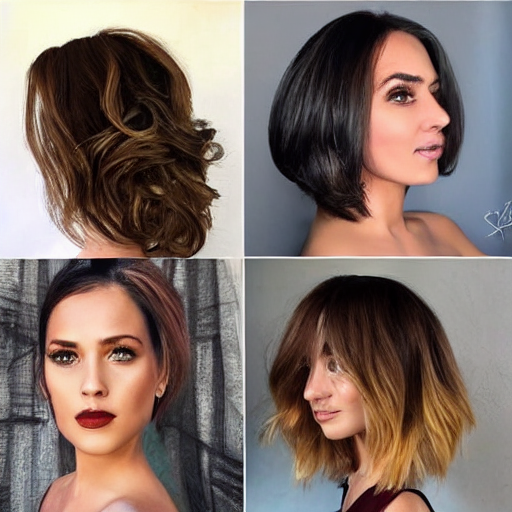
Hair Trends · Healthy Hair · Current Style
Updating your hairstyle is one of the quickest ways to refresh your image, gain confidence, and convey exactly who you are. But amid so many viral fashions, filters, and quick tutorials, it can be tricky to distinguish which haircut trends actually work in real life and which only look good in photos.
In this guide, we analyze the latest hairstyle trends that are currently dominating salons, social media, and runways, but with a practical perspective: what flatters each face shape, how to maintain it at home, and what styles are easy to style even if you are not an expert.

1. Current Dominating Haircuts
Current trend haircuts seek a balance between polished style and natural movement. No excessive layers that are hard to style or impossible geometries to maintain. Everything revolves around versatility, comfort, and the feeling of “hair luxury,” even if your routine is simple.
1.1. Liquid Bob: The Star Cut That Keeps Rising
The so-called liquid bob is one of the most requested cuts at salons. It is characterized by:
- Length between the chin and shoulders.
- Clean lines, mirror shine, and very polished tips.
- Few visible layers, but an internal thinning for movement.
It works very well on straight or slightly wavy hair and is perfect if you want a hairstyle that conveys modern elegance with very little effort. With a good serum and directed drying, the result looks runway-ready every day.
1.2. Soft Shag and Invisible Layers in Long Hair
On the opposite end of the polished bob, the soft shag and invisible layers continue to gain ground in medium and long hair. The key is to create volume at the top and contour around the face without reducing density at the ends.
Why is it working so well now?
- It adapts to natural waves and soft curls, enhancing their shape.
- It helps lighten the roots in very thick hair.
- It grows out better: it doesn’t look unkempt in a few weeks.
1.3. Versatile Midi Cuts: The Go-To Length
The midi cut at collarbone level has become the new staple because it allows:
- Styling it in ponytails, buns, or half-up styles.
- Wearing it super sleek, wavy, or with messy texture.
- Playing with bangs without compromising too much length.
It is a great option if you’re transitioning from long hair and want a controlled change or if you have fine hair and need a cut that makes it look fuller.
2. Bangs That Flatter (and Are in Style Now)
Bangs are no longer synonymous with risk: current trends see them as a flexible element that can be opened, elongated, textured, or integrated into the rest of the hair depending on the day. The goal is for you to be able to wear them in various ways without compromising the overall look.
2.1. Updated Curtain Bangs
The curtain bangs remain a favorite, but they are now worn a little lighter with more tapered ends. They adapt particularly well to:
- Elongated faces as they balance the forehead.
- Round faces if elongated slightly towards the cheekbones.
- Midi and long hair with soft waves.
The advantage is that it grows out very naturally, and you can quickly integrate it into the rest of the hair if you decide to let it grow.
2.2. Micro Bangs, But Only If They Suit You
The micro bangs or baby bangs appear in many editorial looks and on social media, but they are not universal. They flatter when:
- Features are pronounced and a very fashion-forward look is desired.
- Hair is straight or slightly wavy.
- Texture is sufficient to avoid gaps.
If you are drawn to this trend but feel hesitant, a good strategy is to start with longer bangs and ask your stylist to shorten them over two or three appointments.
2.3. Long Tapered Bangs for XL Hair
In very long hair, the long tapered bangs in an inverted triangle shape (shorter in the center and longer towards the sides) are the winning option of the moment. It provides:
- Movement and volume in the front.
- A “frame” effect that highlights the features.
- Versatility: it can be parted in the middle, styled to one side, or integrated into updos.
3. Colors and Coloring Techniques That Are Winning
Current color trends favor soft, diffused, and luminous results. Extreme contrasts and impossible-to-maintain changes are being left behind for gradient tones, warm hues, and shiny effects.
3.1. Brunette with Dimension: The Rise of Rich Brown
Brown has stopped being an “intermediate” shade to become the protagonist. Brunette with dimension combines:
- Deep brown bases.
- Soft honey, coffee, or chocolate highlights.
- Lighter areas around the face for strategic illumination.
This type of coloring achieves the effect of well-cared-for hair and especially suits medium and olive skin tones, although it can be adjusted to any skin tone by playing with color temperature.
3.2. Creamy Blondes and Low Maintenance
Current blondes are moving in the range of creamy tones, neither too cold nor overly golden. What is most requested is:
- Babylights that are very fine and mimic childhood natural blonde.
- Lightly darker shadow roots to space out touch-ups.
- Soft balayage with light tips and a very blended midsection.
The result is a luminous blonde that is easy to maintain, designed for real-life situations where there is not always time to visit the salon every few weeks.
3.3. Soft Coppers and Spicy Reds
Copper and red tones remain at the forefront, but the trend is moving towards spicy mixes with cinnamon, terracotta, and strawberry undertones. They are ideal for:
- Light skin tones seeking more contrast without going to intense red.
- Dull faces needing immediate warmth.
- Wavy hair, where color enhances movement.
4. Everyday Hairstyles That Look Salon-Ready (But Done in Minutes)
The overarching trend is clear: quick hairstyles that create a well-groomed appearance. The idea is that you can get ready in no time, without complex tools or endless processes. Here are some of the most sought-after styles right now.
4.1. Effortless Soft Waves
Soft waves, with a “I just stepped out of the house” look but strategically crafted, continue to reign. To achieve them:
- Apply a heat protectant and a lightweight texture spray.
- Use medium-diameter curling irons and mark only the mid-lengths and ends.
- Alternate the direction of the waves for a natural finish.
- Break the curl with your fingers once it cools.
Heatless waves are also in vogue: loose braids, satin ribbons, or defining foams that better respect hair fiber.
4.2. Deconstructed Updos with a Lifting Effect
High and medium deconstructed updos, with soft strands around the face, combine the best of both worlds: elegant and rejuvenating but with a relaxed point that fits both in the office and an informal plan.
The key is to:
- Not overly tighten the roots: leave some volume.
- Twist the ponytail without pulling too tightly.
- Release two or three fine strands to frame the face.
4.3. Minimalist Half-Up Styles
Minimalist half-up styles with clips, visible hairpins, or ribbon bows are having a golden moment because they solve two problems at once: they clear the face while keeping the length down.
Some details that update them:
- Thin metallic clips in gold or silver tones.
- Smooth satin bows in neutral or pastel colors.
- Aligned hairpins in parallel, as a jewelry detail.
5. Special Occasion Hairstyles: From Guest to Star
For events, ceremonies, and parties, the trend is clear: elegant yet comfortable hairstyles that hold up for hours without leaving marks or headaches. Hyper-lacquered finishes give way to soft textures with controlled shine.
5.1. Polished Low Ponytails with Detail
The polished low ponytail has become the chic alternative to the classic updo. To keep it looking current:
- Create a clean part (center or very defined side).
- Gather the hair at the nape, well-styled.
- Conceal the hair tie with a strand or a metallic accessory.
In its high version, a slight lifting effect and ultra-shiny finish make it a favorite for many red carpet looks.
5.2. Romantic Low Updos
Romantic low updos continue to trend, but with a cleaner structure: fewer cascading curls and more compact buns with strategic strands. They pair very well with slip dresses, open backs, and fresh makeup.
5.3. Loose Hair with Defined Part
For those who do not feel themselves with updos, loose hairstyles with a well-defined part (centered or an extreme side) are a safe bet. They are worn with:
- Large, polished waves.
- Maximum shine, with no frizz.
- A slight volume at the crown.
6. Hair Care: The Invisible Trend That Makes a Difference
Beyond hairstyles, the major silent trend is conscious hair care. It isn’t about accumulating products but having a simple and coherent routine that meets the actual needs of your hair.
6.1. Minimalist but Effective Routines
Current routines focus on four steps:
- Gentle Cleansing: mild shampoos, spacing out washes if possible.
- Targeted Hydration: conditioners and masks only where needed.
- Thermal Protection before any heat tools.
- Sealing Ends with lightweight serums or finishing oils.
The goal is to achieve hair that appears healthy without the need to hide it under overly elaborate hairstyles.
6.2. Prioritizing Scalp Health
The scalp has become the focus of the conversation. Products that care for it as if it were the skin on your face are sought after: gentle exfoliants, calming lotions, and massages to stimulate circulation.
7. Hairstyles According to Hair Type and Face Shape
The best trend is one that respects your natural texture and face shape. Adapting the cut and hairstyle to these two factors makes the difference between an ordinary look and one that truly flatters you.
7.1. If You Have Straight Hair
Straight hair benefits from cuts that give body and avoid the “flat” effect.
- Recommended Cuts: liquid bob, midi with invisible layers, long bob.
- Top Hairstyles: soft waves with a curling iron, polished low ponytails, half-ups with a clip.
- Avoid: excessive layers at the ends, which can make it look thinner.
7.2. If Your Hair Is Wavy
Natural waves are having their best moment: most current trends enhance them instead of hiding them.
- Recommended Cuts: soft shag, textured midi, long layers.
- Top Hairstyles: loose hair with lightweight defining products, romantic low updos, carefree high buns.
- Avoid: overly heavy products that “weigh down” the natural wave.
7.3. If Your Hair Is Curly or Afro
Curls are more central to trends than ever, with cuts designed to respect their pattern and volume.
- Recommended Cuts: rounded layers, long curly bob, XL hair with internal layers.
- Top Hairstyles: well-defined wash and go, high pineapples, protective braids, high half-ups.
- Avoid: blunt cuts without layers, which can leave curls shapeless or too heavy.
7.4. Adapting the Hairstyle to Face Shape
Some quick guidelines:
- Round Face: long layers and open bangs that create vertical lines.
- Elongated Face: bangs (curtain or soft straight), lateral volume.
- Square Face: soft waves and slanted tips to soften angles.
- Oval Face: practically all styles, prioritizing what fits best with your lifestyle.
8. Micro Trends in Hairstyles You Will See Everywhere
Besides the major movements, there are micro trends that are increasingly appearing in street style photos and on social media. They are small gestures that update any look.
8.1. Extreme Side Part
The very defined side part is making a strong comeback, especially in straight or slightly wavy hair. It adds drama and a sophisticated touch, ideal for the evening or to elevate a very simple look.
8.2. Wet Look Only at the Roots
The wet look localized at the roots, leaving mid-lengths and ends more natural, has become a quick way to transform a regular loose hairstyle into something more fashion-forward. Just apply flexible hold gel to the front area and comb back while keeping the rest of the hair with a soft texture.
8.3. Minimal Accessories and Clips
Discreet accessories are the great allies: thin clips, hairpins with small pearls, visible metallic bobby pins… They are placed at strategic points (one side of the part, the base of a ponytail, the end of a braid) to add interest without detracting from the haircut.
9. Common Mistakes When Following Hairstyle Trends
The flip side of hair trends is falling into drastic changes that do not fit with our routine or hair type. Here are some mistakes to avoid.
9.1. Copying a Look Without Adapting It
Seeing a hairstyle on someone with very different texture, density, or skin tone than yours can lead to unrealistic expectations. Ideally, use the photo as a source of inspiration, not an exact copy, and let the professional adjust lengths, layers, and hues.
9.2. Not Considering Maintenance
Some trends require frequent salon visits (for example, certain very light blondes or highly geometric cuts). Before jumping in, ask yourself:
- How often am I willing to retouch the color or cut?
- Do I have time to style it with heat, or do I prefer something that air-dries?
- Am I willing to invest in specific products?
9.3. Making Abrupt Changes Without Consultation
Radical changes (going from dark to very light blonde, from curly to permanently straight, or vice versa) can compromise the health of the hair if not well-planned. The most sensible approach is to consider them in phases, with a clear strategy and regular reviews of the condition of the hair fiber.
10. How to Choose Your Next Hairstyle: Quick Guide
With so many options, it’s easy to feel like you need a roadmap. This short guide can help you realistically decide your next look.
10.1. Define Your Main Goal
Before thinking about trends, ask yourself what you want to achieve:
- Do you want to look more sophisticated?
- Do you want to take off years visually?
- Do you want to gain volume?
- Do you want to simplify your daily routine?
10.2. Assess Your Real Styling Time
Being honest about the time you can dedicate to styling completely changes the choice. A cut that you love on social media but requires 40 minutes of heat tools daily may not be the best option if your schedule is packed.
10.3. Bring Varied References to the Salon
When you go to the salon, be sure to bring a small collection of images that you like for various reasons: length, color, fringe shape, hairstyle texture. This helps the professional understand what you’re looking for and adapt it to your reality.
11. Frequently Asked Questions About Trending Hairstyles
How long does a hairstyle trend usually last?
Very viral micro trends can fade in a few months, but underlying trends (such as the rise of midi hairstyles, soft waves, or focus on hair health) tend to last for entire seasons. Therefore, it’s advisable to choose hairstyles that align with these underlying trends and not just the latest social media boom.
How often should I trim my ends to keep the hairstyle looking good?
Generally, between eight and twelve weeks is a good interval to maintain the shape of the cut and prevent split ends from taking away shine and movement. If you have a very geometric cut or defined bangs, adjusting every six to eight weeks may be advisable.
Which trends flatter fine hair the most?
Midi cuts and bobs with invisible layers are the great allies for fine hair because they concentrate density and prevent the hair from looking sparse. Dimensioned colors (very fine highlights and slightly lighter tones in the contour) also create a visual effect of greater volume.
How can I follow trends without damaging my hair with heat tools?
Many current trends can be adapted to heatless versions: waves achieved with braids or satin ribbons, styles that don’t need prior straightening, textures obtained with lightweight foams and soft salt sprays. When using heat, always apply thermal protectant and lower the temperature to the minimal necessary.
If I change my color, do I have to change my hairstyle too?
Not necessarily, but color and cut enhance each other. A color with a lot of dimension (highlights, balayage, reflections) gains presence with cuts that show movement, while flat and dark tones pair very well with more polished and graphic lines. Ideally, both should be planned at the same time for a coherent result.
12. New Micro Trends That Set the Tone