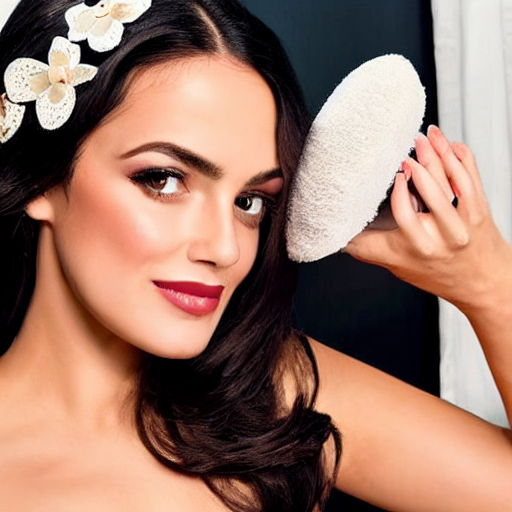
The New Beauty: Fewer Filters, More Real Skin
Beauty is changing. Endless routines, heavy makeup foundations, and impossible filters are being left behind. Today, the trend is clear: take care of your skin to show it off with pride, even with pores, texture, and small imperfections. The question is no longer “which makeup hides the most?” but “which routine helps my skin look good even without makeup?”.
In this context, concepts like skinimalist beauty have emerged, hybrid products between treatment and makeup, formulas with fewer but better-chosen ingredients, and a healthy obsession with skin barrier care. All of this is accompanied by a wave of technological tools that promise to personalize every step of the beauty ritual.
If you want to understand what is truly working in beauty right now —beyond the noise of social media— and how to apply it to your daily life, this guide will take you on a practical journey through the trends in skin care, makeup, hair, and wellness that make a difference.
- Fewer steps, more consistency
- Active ingredients with evidence
- Second skin makeup effect
- Healthy hair over complex hairstyles
- Emotional well-being as the foundation of beauty
- More conscious and sustainable consumption

Skinimalist Trend: Shorter but Smarter Skin Care Routines
Overinformation in beauty has left many consumers with ten-step routines, duplicated products, and irritated skin. The industry’s response has been a clear shift towards skinimalism: do less but do it better.
What Is Skinimalism Exactly?
Skinimalism is a skin care approach that is based on short routines, key ingredients, and realism. It does not pursue perfect skin but rather functional, comfortable, and radiant skin. It involves:
- Reducing the number of products to avoid irritation and unnecessary overlaps.
- Choosing evidence-based actives like retinoids, stabilized vitamin C, niacinamide, or peptides.
- Respecting the skin barrier using gentle cleansers and repairing moisturizers.
- Adapting the routine to your lifestyle and not vice versa.
The Basic Structure of a Skinimalist Routine
Most experts agree that an effective routine does not need more than three or four fundamental steps. From there, you can add “extras,” but only if your skin tolerates it.
| Step | Morning | Night |
|---|---|---|
| Cleansing | Gentle gel or milk, without harsh sulfates | Oil cleanser + gentle gel if wearing makeup or resistant SPF |
| Treatment | Antioxidant (vitamin C, niacinamide) depending on tolerance | Gentle retinoid or low-frequency exfoliating acid |
| Moisturization | Light cream that reinforces the skin barrier | Nourishing cream with ceramides, squalane, or peptides |
| Protection | Broad-spectrum sunscreen, daily | Not necessary unless specifically recommended |
If you are looking for information online about products, prioritize detailed reviews and comparisons between active ingredients rather than just focusing on the brand name. Terms like “minimalist facial routine,” “skin barrier care,” or “how to combine retinol and niacinamide” are gaining prominence because they address very specific user questions.
Star Ingredients That Are in Every Beauty Case
Today’s beauty consumer is much more informed. They no longer just buy “the pink cream from the ad”; now they read labels, compare formulations, and look for ingredients with proven efficacy. Here are some of the key ingredients in current skin care trends:
Niacinamide: The All-Rounder
Niacinamide has established itself as one of the most versatile actives. It is included in serums, toners, creams, and even sunscreens thanks to its benefits:
- Helps to reduce redness and soothe sensitive skin.
- Contributes to regulate oil production, interesting for mixed or oily skin.
- Improves the appearance of dilated pores and uneven texture.
- Reinforces the skin barrier, essential after using acids or retinoids.
Mild Retinoids: Efficacy Without Sacrificing Comfort
Vitamin A derivatives continue to be considered the gold standard in anti-aging treatment, but the main trend is to opt for versions that are more respectful of reactive skin: retinyl, retinaldehyde, or microencapsulated formulas that release the active ingredient gradually.
The key is to introduce them gradually, alternating nights and always accompanying them with good hydration and sunscreen the next day.
Low-Frequency Exfoliating Acids
The obsession with daily exfoliation has given way to a much more strategic use of AHA, BHA, and PHA acids. Instead of using them several times a week, the trend is to use them only when the skin needs it, as an occasional booster to refine texture, provide radiance, or keep breakouts at bay.
Ceramides and Restorative Lipids
With so many sensitized skins, creams with ceramides, cholesterol, and fatty acids have gone from being niche products to essentials in bathroom shelves. They are used in both dry and oily skin that have compromised their barrier due to excessive aggressive treatments.
Second Skin Makeup: Strategic Luminosity and Precise Touches
In makeup, the big change is the search for a realistic finish. Skin is no longer erased, it is perfected; foundations become lighter, hybrid products with treatment are prioritized, and strategic touches of concealer are used instead of covering the entire face.
Light Foundations, Tints, and Color Serums
The most sought-after formulas are those that unify without creating a mask effect: light tints, serum foundations, tinted moisturizers, and sunscreens with pigments that help correct tone.
Cream Blush and Bronzer
Stick and cream textures continue to gain ground because they blend better with the skin, provide a juicy finish, and allow reapplication throughout the day without creating heavy layers. The most desired shades: peach hues, soft pinks, and neutral bronzes that mimic natural flush.
Comfortable Lips and Soft Defined Liner
Ultra-matte lipsticks have ceded space to comfortable semi-mattes, tinted balms, and hydrating glosses. The idea is for lips to look healthy, with natural volume and no feeling of dryness.
To achieve a second skin makeup effect, apply the foundation only in the center of the face and blend outward, correcting selectively with a high-coverage concealer. Then, add cream blush to the tops of the cheeks and a subtle highlighter only where the light naturally hits.
Healthy Hair Above All: Shine, Hydration, and Movement
The trends in hair are aligned with everything that is happening in facial care: fewer aggressions, more health, and great attention to the at-home maintenance routine. Structured hairstyles give way to flowing manes, defined curls, and polished natural textures.

Layered Hair Routines
The concept of “layering” has reached hair care. Now routines are built in several levels:
- Specific cleansing according to scalp type (oily, dry, sensitive, with flaking).
- Treatments for mid-lengths and ends with nourishing masks and sealing serums.
- Heat protection whenever using a dryer, straightener, or curling iron.
- Light styling products that respect movement and do not weigh hair down.
The Most Common Cuts and Hairstyles
Rather than extreme cuts, the trend is to find the length and shape that flatter each face. There are many long bobs at collarbone length, soft layers that add volume without losing density, and long bangs that allow versatile updos.
Regarding hairstyles, these are popular:
- Sleek low ponytails with defined parting and shiny finish.
- Effortless messy buns that seem spontaneous but add volume.
- Softer waves from mid-lengths to ends, more tousled than perfect.
- Defined curls with specific products that respect their natural pattern.
Integrative Beauty: Skin, Body, and Mind in the Same Conversation
Another of the great current trends is to stop treating beauty as something isolated. More and more brands, professionals, and content creators are talking about integrative beauty, where skin reflects many factors: rest, diet, stress, environment, hormones, and of course, cosmetic products.
The Importance of Rest
Sleep has become a top beauty pillar. There is talk of night rituals that prepare the body for better rest: lowering light intensity, slow facial care routines, massages with light oils, and gradual disconnection from screens.
Realistic Self-Care, Not Perfect
The term self-care has evolved. It is no longer associated only with bubble baths and scented candles but with simple, sustainable moments over time: applying body cream calmly, taking five minutes for a facial massage, hydrating better throughout the day, or just taking time to move.
- Take a deep breath for a few seconds before starting your routine.
- Cleanse the face with gentle motions, without rubbing.
- Apply your favorite treatment (serum or cream) with an upward massage.
- Add a body care gesture: hands, décolletage, or neck.
- Finish with a small moment of gratitude or intention for the next day.
Technology and Artificial Intelligence in Beauty: Personalized Detail
Technology applied to beauty has stopped being a curiosity and has become a real part of routines. Apps that analyze skin with the mobile camera, LED light devices for home use, smart mirrors that recommend products, or facial brushes that adjust their intensity based on skin sensitivity are now commonplace.
Some brands are also integrating artificial intelligence systems to offer more precise diagnostics and fully personalized routines, taking into account habits, climate, age, breakout history, or even medium-term aesthetic goals.
This intersection of technology and beauty also reaches marketing: from automatically generated content about trends to virtual assistants that help choose the right foundation tone or the most suitable hair routine, AI is becoming a tool that enhances user experience when used ethically and transparently.
Many cosmetics firms and beauty centers are beginning to work with external AI solutions to optimize their beauty content strategies to customer service or campaign results analytics. For those managing beauty brands or e-commerce, integration with artificial intelligence experts —like the services from marketing with AI specialized in content and SEO— is helping to better understand what users really seek and how to provide them with more useful and personalized answers.
Conscious Consumption and Sustainability in Beauty: Less Plastic, More Transparency
The concern about the environmental impact of the cosmetic industry has taken center stage. Users are asking for recyclable or reusable packaging, more concentrated formulas, and honesty in communication. It is no longer enough to put “eco” or “natural” on the label; traceability, a clear explanation of processes, and a real reduction of waste are valued.
Solid and Refillable Formats
Shampoos, conditioners, and solid cleansers have gained presence in the market because they allow for reduced packaging and last longer. At the same time, many brands have launched refillable containers for creams, serums, and makeup, so that only the interior is replaced.
Buying Less and Better
The flip side of sustainability in beauty is a change in mindset: instead of accumulating products, the goal is to build a capsule beauty case with very well-chosen basics. Something similar to what happens with the capsule wardrobe in fashion, but applied to cosmetics and makeup.
- Review what you already have before buying something new.
- Finish open products before starting similar ones.
- Prioritize formats that allow recycling or refilling.
- Choose brands that are transparent about their production chain.
- Avoid duplicating steps that add nothing to your skin.
How to Create Your Own Beauty Routine Aligned with Current Trends
One of the keys for these trends to work in your daily life is to adapt them to your real needs. It is not about copying someone else’s routine but about understanding what your skin needs and what your lifestyle is. Here’s a practical approach.
1. Define Your Main Objective
This could be improving radiance, reducing occasional breakouts, smoothing the appearance of fine lines, or balancing shine in the T-zone. Having a clear objective helps you choose the right actives and not get sidetracked.
2. Choose a Leading Product for Each Time of Day
Instead of accumulating many products with small amounts of various actives, opt for a leading product for each time of day:
- Morning: antioxidant or illuminating product.
- Night: gentle retinoid, occasional exfoliating acid, or specific treatment.
3. Ensure the Basics: Cleansing, Hydration, Protection
Before introducing complex serums, ensure that your cleanser, moisturizer, and sunscreen work well for you. Well-cleansed, hydrated, and protected skin responds better to any treatment.
4. Adjust Your Makeup to Your New Skin
If you improve your skincare routine, you may no longer need heavy foundations or concealers. Take the opportunity to experiment with light makeup, cream textures, and luminous finishes that enhance that change.
5. Incorporate Small Well-Being Gestures
Integrate simple details into your ritual that reinforce the idea of integrative beauty: drinking water before starting your routine, spending an extra minute on facial massage, stretching your back while waiting for the mask to set, or simply taking that moment to disconnect.
Frequently Asked Questions About Current Beauty Trends
How can I simplify my beauty routine without worsening my skin?
Start by identifying the essential steps: gentle cleansing, hydration suited to your skin type, and daily sunscreen. Maintain these three consistently for a few weeks before adding anything else. After that, introduce a single specific treatment product (for example, an antioxidant serum in the morning or a gentle retinoid at night) and observe your skin’s response. If you tolerate this change well, then you can consider adding an extra like an occasional mask or a specific eye cream. The key is to introduce only one new product at a time and give it enough time to evaluate results.
Which actives are most recommended if I seek a basic and effective beauty routine?
For a simple and effective routine, you can focus on four types of actives: an antioxidant (like vitamin C or niacinamide) in the morning, a gentle retinoid at night to improve texture and tone, barrier-repairing ingredients (ceramides, squalane, glycerin) in your moisturizer, and broad-spectrum UV filters in your sunscreen. From there, adjust concentrations and frequencies based on your tolerance, always gradually.
How does high coverage makeup fit with “second skin” trends?
The trend does not prohibit high coverage but suggests using it more strategically. Instead of applying a heavy foundation all over the face, it’s recommended to work with very thin layers and to use high-coverage concealers only in areas that truly need it (marked spots, active breakouts, or intense redness). This way, the natural texture of the skin is respected, the mask effect is reduced, and the result is more harmonious with the rest of the beauty routine.
Do technology and artificial intelligence replace professional advice in beauty?
Technological tools and artificial intelligence systems are a very useful support for understanding your skin better, comparing products, or receiving personalized routine proposals. However, they do not replace the individualized assessment of a dermatologist or health professional when there is a specific, persistent skin problem that affects your quality of life. Ideally, technology is integrated as a complement that makes information more accessible, but important decisions should be supported by specialists’ criteria.
What role does diet play in current beauty trends?
Current beauty trends consider diet as another pillar of skin care. It’s not about looking for miracle diets but maintaining a balanced foundation: good hydration, regular intake of fruits, vegetables, and healthy fats, and moderation with ultra-processed foods and sugars. Many skin professionals agree that when the body has the nutrients it needs and the digestive system functions well, the skin tends to reflect this balance with better texture, less inflammation, and a more even tone.