
Today I want to talk about something we all feel at times: you love trends, but you don’t want to look in the mirror and think “I feel like I’m in costume.” Fashion is in my DNA, but so is the need to ensure that every piece remains you.
The key is not to copy runway looks, but to translate current trends into your real life: your body, your routine, your budget, and your personality. Let’s take it slow, with specific examples and tricks that you can apply right away.
Current Trends That Can Be Adapted Without Feeling Disguised
Before we dive into “how to”, let’s recap the trends that are currently strong and that are easy to bring into everyday life if you know how to balance them.
1. Elegant Neutrals and Capsule Wardrobe
Creme, beige, off-white, and soft grey tones continue to dominate. The idea is simple: fewer pieces, more combinations, and a clean silhouette you can transform with accessories.
Think of a capsule wardrobe with 10-15 versatile pieces: a light blazer, flowy pants, straight jeans, simple shirts, and a neutral dress that you can elevate with jewelry or high-heeled sandals.

2. Cream Dresses and Sets: Minimal but Very Feminine
Monochromatic cream looks are an Instagram staple, but in real life they work if you respect your proportions and add texture.
If you don’t want to feel too “wedding-like,” mix in more casual pieces: a puff-sleeved top with a matching skirt, but paired with flat sandals and a raffia bag, for example.

3. Relaxed Silhouettes: Baggy Pants and Flowing Falls
Very fitted silhouettes are giving way to baggy pants, straight jeans, and soft palazzo styles. They are comfortable and give a modern vibe without needing loud prints.
If you’re not used to volume, balance it with the top: a more fitted top, a tucked-in t-shirt, or a tailored shirt.

4. Lightweight Knits and Capes
Cape-like layers and oversized coats have transitioned from runways to super wearable trends. They are worn over simple sweaters, with jeans or white trousers.
The key to not feeling like a superhero in disguise is to focus on sober colors and very simple combinations.

5. Boho and Festival Touches, but Grounded
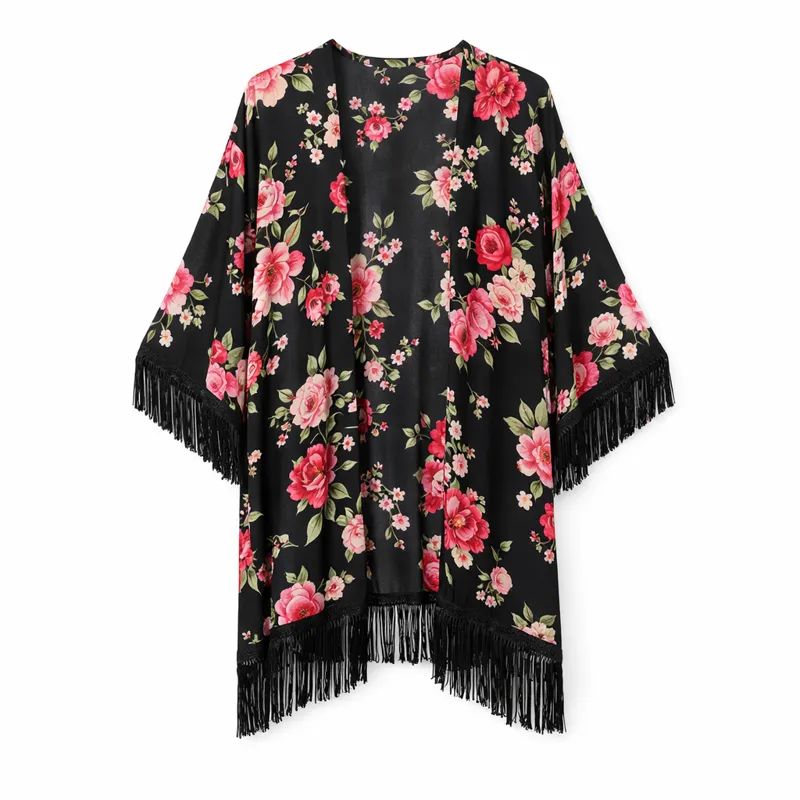
The boho spirit is still there, but a full festival disguise isn’t necessary. You can keep just one element: an off-shoulder top, a flowy skirt, or a patterned kimono, and surround it with basic pieces.

6. Black Jumpsuits and Simple Night Looks
For formal events, the black jumpsuit is the new long dress: elegant, comfortable, and easy to personalize with bold earrings, a metallic clutch, or red lips.
If your daily style is simple, a clean jumpsuit (without too many ruffles or sparkles) will make you feel polished but recognizable.

How to Know if a Trend Fits You (Quick Test)
Before buying “just because it’s trendy,” run the trend through this small filter. It saves you from impulsive buys and that uncomfortable feeling of being dressed like someone else.
1. Mirror Test: Do You Recognize Yourself?
- Put on the item and look at yourself from the front, side, and back.
- Take a photo with your phone and look at it a couple of hours later.
- Ask yourself: “If no one knew it was trendy, would I still wear it just as confidently?”
If the answer is “I only like it because it’s trendy now,” it’s probably not going to stay in your wardrobe for long.
2. Agenda Test: Does It Fit Your Real Life?
Think of an average week: work, errands, night plans, weekends. Visualize at least three real occasions when you would wear that trend without forcing it.
- Can you wear it to work without feeling overdressed?
- Does it work with your usual footwear (sneakers, ankle boots, flat sandals)?
- Does it adapt to the climate where you live most of the year?
3. Palette and Silhouette Test
Not all trends flatter all body types or skin tones equally. And that’s okay: that’s where your judgment comes in.
According to stylist Neus Patern, with experience in international fashion brands and schools, a trend truly works when it enhances your strengths and doesn’t require you to “correct” yourself with makeup or impossible postures.
Strategies to Adapt Trends to Your Style Without Feeling Disguised
This is where it all comes down to earth. More than following rigid rules, I want to give you flexible strategies so you can play with what’s trendy without losing your signature.
1. Start with One Protagonist Piece
Instead of a complete “runway” look, choose one trendy piece and surround it with basics you already have.
- A floral kimono over straight jeans and a white t-shirt.
- A wide-leg pant with a plain t-shirt and a classic blazer.
- A boho top with a denim skirt you already wear daily.
2. Play with Proportions, Not Just with Garments
One of the main keys for a trend to look natural on you is the balance of volumes.
- If you’re wearing very wide pants, balance them with a more fitted or shorter top.
- If the top has voluminous sleeves, let the bottom be clean and straight.
- If the coat is oversized, keep the rest of the look more fitted.
3. Keep Your “Signature” Always Present
Think about what your recognizable style gesture is: you might always wear red lips, prefer fine gold jewelry, or almost always wear white sneakers.
Maintain that signature even as the garments change. This creates continuity and avoids the disguise effect.
4. Adapt the Trend Level to the Context
It’s not the same to wear sequins in a fashion editorial as it is in a dinner with friends. The base can be the same, but the styling changes.
- Editorial Version: silver dress, long gloves, maxi sunglasses.
- Real Life Version: the same metallic fabric, but as a top, paired with straight jeans and simple sandals.

5. Use Accessories to Modulate the Trend
Accessories are your best ally when you want to try a trend without committing the entire look.
- A pair of sunglasses with a trendy frame can update your usual jeans.
- A minimalist white bag brightens up any dark outfit.
- A thin metallic belt can transform a simple dress.


6. Also Care for Your Hair: Part of the Look, Not an Extra
Often we feel like we’re in costume because our hairstyle doesn’t align with our clothes. A boho look with a tight office ponytail, or a total black tie look with unstyled hair creates visual noise.
It’s not about complicated hairstyles, but about coherence: soft waves with flowy dresses, casual updos with tailored blazers, braids with festival looks.

Outfit Examples: From Runway to Your Daily Life
Let’s go with very concrete combinations so you can see how to land trends without losing yourself along the way. Think of them as templates you can adapt with what you already have in your wardrobe.
1. Minimal Cream Look for Daytime
- Cream short-sleeved or sleeveless top.
- Wide pants in the same tone or slightly darker.
- White sneakers or nude flat sandals.
- Raffia bag or beige tote bag.
- Fine gold jewelry (small hoops, delicate chain).
Trick: if you fear “disappearing” among so much beige, add a pop of color in your nails, lips, or a scarf in your hair.
2. Controlled Boho Look for an Afternoon with Friends
- Fluid midi skirt in white or cream.
- Off-shoulder top with some volume.
- Flat leather sandals or low wedge espadrilles.
- Thin bracelets and stacked rings.
- Simple brown leather crossbody bag.
Trick: keep the makeup very light and the hair slightly tousled so the look doesn’t seem like a festival disguise.
3. Urban Look with Cape Coat
- Lightweight knitted sweater in beige.
- Straight white pants or light jeans.
- Grey or camel cape coat.
- Medium-heeled black or burgundy ankle boots.
- Structured black bag.
Trick: keep the base very simple and let the cape be the star; this way you won’t feel “too dressed up.”
4. Elegant Night Look with Black Jumpsuit
- Black jumpsuit with straight or slightly flared legs.
- Fine heeled sandals in black or metallic.
- Eye-catching earrings (shiny or geometric shape).
- Rigid clutch in gold, silver, or a bold color.
- Red or burgundy lips; keep the rest of the makeup very simple.
Trick: if you’re not used to deep necklines, look for a jumpsuit with adjustable cross neckline or structured off-the-shoulder style. You’ll still look current but comfortable.
Quick Guide: Steps to Adapt Any Trend to Your Style
If you want a clear process, here’s a mini-guide that you can repeat every time a trend catches your attention.
Step 1. Observe, Don’t Buy Yet
Make a note or save in a folder images of the trend that attract you. Observe what they have in common: colors, volumes, fabrics. Sometimes what you like isn’t the piece, but the feeling it conveys.
Step 2. Translate the Idea into Your Wardrobe’s Language
Ask yourself: “How would this trend look in my version?” If it’s shimmer, it might be a satin top instead of a full dress. If it’s volume, perhaps you prefer puffed sleeves instead of a ball gown skirt.
Step 3. Start Testing with Affordable Pieces or Accessories
To avoid the disguise effect, start at the easiest level:
- Level 1: accessories (sunglasses, bag, belt, scarf).
- Level 2: a secondary garment (top, shirt, skirt).
- Level 3: protagonist piece (coat, jumpsuit, long dress).
Step 4. Adjust the Styling Until the Look “Lands”
If you feel strange, simplify something: lower the heel, soften the makeup, swap a flashy bag for a neutral one. Keep removing elements until you can move naturally.
Step 5. Listen to Your Body (Not Just the Mirror)
Beyond how it looks, pay attention to how you feel when you sit, cross your legs, go upstairs, or dance. If you have to constantly monitor everything, the trend is not well adapted to you.
Frequently Asked Questions About Trends and Personal Style
How Can I Follow Trends if My Budget is Tight?
Prioritize base garments in neutral colors and invest in trends through accessories: sunglasses, bags, belts, or jewelry. They are more economical, take up less space, and transform looks you already have.
What Should I Do If a Trend I Love Doesn’t Flatter Me?
Stick with the general idea of the trend and adapt the garment to your body and color palette. Change the length, neckline style, or limit the shade to accessories to maintain the nod without giving up looking flattering.
How Can I Avoid Accumulating Trendy Clothes That I Don’t Wear?
Before buying, visualize at least three different looks combining the garment with items you already own. If you can’t find clear combinations, let it pass or look for a more versatile version of that same trend.
Is It a Good Idea to Mix Multiple Trends in One Look?
You can do it, but it’s best to choose one strong trend (for example, cargo pants) and another very subtle (a seasonal color in a bag or nails). When there are too many focal points, the look loses coherence.
How Often Should I Review My Wardrobe to Adapt It to What’s Trendy?
A thorough review as the season changes is usually sufficient. Take the opportunity to identify which trends you already have in “old” versions and how you can update them with a single gesture: a new belt, hems, or button changes.