
Fashion is in my DNA, which is why I want to discuss something I see every season: beautiful runway trends that, when they hit the streets, make many feel like they are in costume. This is not the goal.
The key is not to be “on-trend” at any cost but to tailor each trend to you, your body, your schedule, and your real way of living. Let’s explore this together, step by step, with examples you can apply right away.

How to Know if a Trend is for You (Before Buying)
Before you rush to buy the latest micro skirt or ultra baggy pants, pause for a moment and ask yourself these very simple questions. They will save you from returns, frustrations, and wasted money.
1. Does it fit your real daily life?
Think about your routine: do you work in an office, spend many hours on your feet, use public transport, ride a bike, or work from home? A trend might look amazing on Instagram, but if it doesn’t fit into your reality, you will set it aside after a few uses.
- Formal Office: focus on trends in colors, patterns, and accessories, rather than extreme cuts.
- Creative or Remote Work: you can play more with volumes, unique denim, or eye-catching shoes.
- Moms and Non-Stop Schedules: prioritize comfortable fabrics that don’t wrinkle and layered trends or accessories.
2. Does it respect your palette and body type?
Not every trend flatters every body type or skin tone, and that’s okay. Analyze:
- Color: if the season’s “it” color (for example, a very cool pink) dulls your complexion, wear it in accessories but not close to your face.
- Volume: exaggerated shapes on your shoulders or hips can be tricky if you’re already structured there. In that case, balance with cleaner pieces in the rest of your look.
- Length: if midi lengths are too cutting, try a slightly shorter midi or one with a front or side slit.
3. Does it resemble something you already wear often?
Think about your three favorite current garments. If the new trend doesn’t connect with them in some way (color, shape, fabric, or attitude), it will likely end up forgotten at the back of your closet.
- Can I combine it with a minimum of three pieces I already own?
- Do I see myself wearing it in a year, even if it’s no longer “the thing”?
- Can I adapt it to my work and leisure plans?
- Do I feel like myself or do I have to “act” for it to work?
Current Trends That Are Easy to Adapt
Not all trends are extreme. Several, when chosen well, can become staples in your wardrobe without feeling like a costume. Let’s look at a few that are very present right now.
1. Baggy Pants and Relaxed Silhouettes
Baggy pants have transitioned from being a “street style only” piece to a completely realistic option for daily wear. The key is in how you style them.
- For the Office: opt for neutral-toned baggy pants (beige, gray, black) and pair them with a structured shirt or blazer. The contrast between volume below and clean lines above balances the silhouette.
- For a Casual Look: mix with a well-cut basic t-shirt or a fitted knit top. This way, the focus stays on the pants without competing with the rest.
- For Evening: a silk top or strapless bodysuit with special shoes. Here, the trend becomes elegant without being too loud.

2. Capsule Wardrobe in Neutral Tones
Another trend that has come to stay is the capsule wardrobe: few, meticulously chosen pieces, mostly neutral, that mix and match. Not only is it more sustainable, but it’s also ideal if you don’t want to feel like you’re in costume every time you try something new.

According to stylists experienced with real wardrobes, when you build a good neutral base, it’s much easier to incorporate small trends without feeling disguised because everything relies on pieces you know already works.
Start by identifying your three base neutral colors (for example, off-white, beige, and black) and ensure that most of your larger pieces (coat, pants, everyday bag) fit within that palette.
3. Jumpsuits and One-Piece Dresses
Long jumpsuits and “all-in-one” dresses are perfect when you want to be very on-trend but without the hassle. A chic black jumpsuit, for example, can adapt to a thousand contexts just by changing accessories and makeup.
Consider a tailored black jumpsuit:
- For an Event: thin sandals, long earrings, and a metallic clutch.
- For an After-Work: a slightly oversized blazer and comfy ankle boots.
- For the Weekend: white sneakers and a crossbody bag.
The piece is trendy, but it behaves like an intelligent basic in your wardrobe.

How to Adapt Trends to Your Style Without Feeling Disguised
Here comes the crucial part: what to do exactly so that a new trend feels natural on you, as if it has always been part of your style.
Start with a Single Statement Piece
Instead of putting together a trend-heavy look (trousers, top, shoes, and bag of the moment), choose a single statement piece and build the rest with basics.
- A floral kimono over straight jeans and a white t-shirt.
- A metallic midi skirt with a simple knit sweater.
- A unique cape coat over a total cream or black outfit.
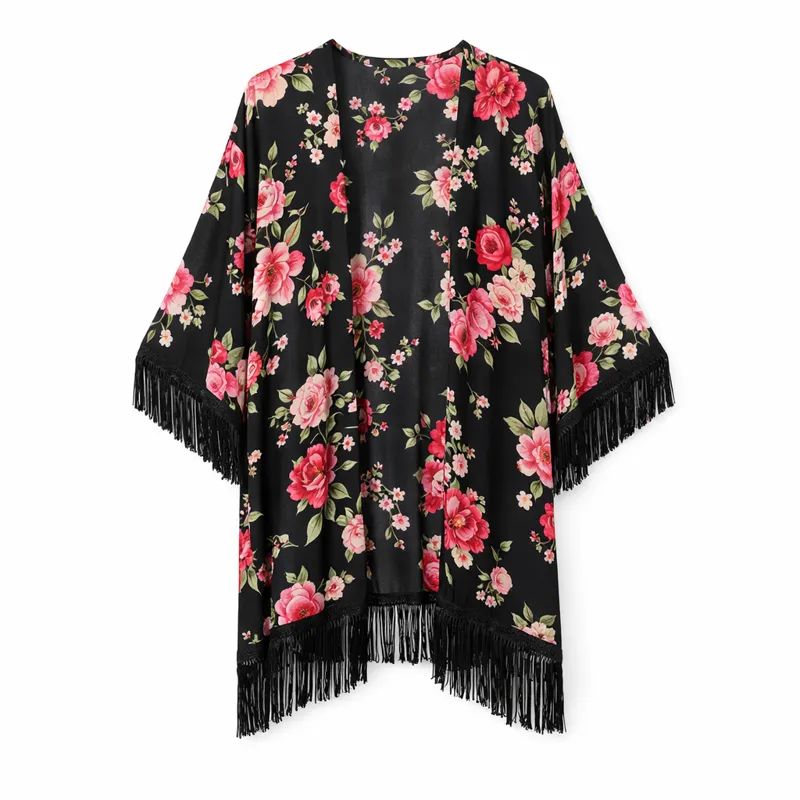
This way, the trend becomes an accent, not a costume. You still recognize your base style, just updated.
Play with Layers Before Redoing Your Entire Wardrobe
Layers are your best allies for trying trends without committing fully. A blanket cape coat, for instance, can transform a very simple look into something editorial yet wearable.
Imagine a straight jean, beige sweater, and white sneakers. Correct, neutral, a bit flat. Now add a structured gray cape coat and suddenly the look seems street-style ready, while you still wear your usual basics underneath.
With this type of “enveloping” garments, it’s essential that the color is easy (grays, camel, black) and that you feel comfortable moving your arms and walking. Otherwise, the garment will dominate you.

Accessories: The Perfect Laboratory for Trying Trends
If a clothing trend intimidates you, try it first with accessories: sunglasses, bags, shoes, or even hairstyles or hair accessories.

Bold sunglasses, for instance, can give you that trendy touch you’re looking for without changing your style. The rest of the outfit can still be very much you.
For your hair, a different hairstyle or texture is a gentle way to update your image without investing in new clothing. A different half-up style, more defined waves, or a light fringe can markedly change the overall look.
In summer, for instance, specific hair care for the sun allows you to wear natural hairstyles that complement your look without seeming overly produced. It’s a subtle change, but it’s noticeable in the overall result.

Runway Trends Taken to the Street (Without Disguises)
Some trends emerge on the catwalk and seem impossible. But with small adjustments, they become very wearable. Let’s look at some typical examples.
Metallics and Evening Shimmers
Fully metallic dresses or strong shimmers can seem imposing. A way to soften them is to play the rest of the look subtly: clean makeup, simple hairstyling, and neutral or black accessories.
If you want to try this trend but fear feeling disguised, start with just one shiny element:
- Metallic top with dark straight jeans.
- Sequin skirt with a white dress shirt.
- Silver bag or shoes with a completely neutral look.
The shiny piece becomes the focal point, but your energy and attitude remain the stars of the show.

Boho Festival Style for Real Life
Boho festival style, with off-shoulder tops, flowing skirts, and a ton of layers, looks great in photos but sometimes feels exaggerated in the city. The key is to simplify.

What you can do:
- Stick to one boho piece (for example, a flowing skirt) and combine it with a solid t-shirt without embellishments.
- Swap high boots for simple sandals or white sneakers.
- Simplify accessories: just one special necklace or a pair of earrings, not everything at once.
This way, you maintain the relaxed and summery vibe without feeling like you’re headed to a festival at 10 in the morning on a Tuesday.
Minimalism in White That Doesn’t Bore
Minimalism in white and light tones is another great trend, but it can seem daunting due to the risk of appearing too “clinical” or unflattering. The trick is to play with textures and cuts.

If you choose a minimalist white jacket, for example, pair it with classic blue jeans, a fine knit top, and brown leather accessories. The look remains clean, but much more approachable and easier to wear.
Also, play with shades: off-white, cream, and beige are usually more flattering than stark white.
How to Build a Wardrobe Foundation That Withstands Trends
If you want to follow trends without feeling disguised, you need a strong foundation. A well-planned wardrobe allows you to add novelties without losing yourself along the way.
Base Pieces That Match Almost Everything
Here’s a short list of pieces that usually serve as a base for nearly any trend:
- Well-cut white or beige shirt.
- Medium blue straight jeans with minimal distressing.
- Tailored pants in black, gray, or beige.
- Plain knit sweater in a neutral tone.
- Blazer in a versatile color (black, gray, sand).
- Plain midi dress in a color that flatters you.
- Comfortable yet polished shoes (loafers, ankle boots, clean white sneakers).
Fashion is in my DNA, but so is practicality: if your base is well-thought-out, you can play with trends without your wardrobe becoming chaotic. A new piece enters, but it doesn’t force you to buy five more to match it.
Colors That Work Year-Round
In addition to clothing, think of a palette that works across all seasons. For example:
- Neutrals: off-white, cream, beige, light gray, soft black.
- Accent colors that flatter you: dusty pink, petrol blue, sage green, soft burgundy.
- Discreet metallics: soft gold or aged silver in accessories.
From there, each season you can add the trendy color in small doses (a top, a bag, a lipstick) without sacrificing your overall harmony.
Common Mistakes When Following Trends (And How to Avoid Them)
There are mistakes that crop up every year when new collections arrive. Recognizing them will help you dodge them.
Impulse Buying Without Trying Combinations
You see the garment on social media, love it, click, and when it arrives at home, you have no idea what to pair it with. To avoid this:
- Before you buy, envision three complete looks with garments you already have.
- If you can only come up with one, it probably doesn’t fit your style as well as you thought.
Copying a Look from Head to Toe
Finding inspiration in a photo is great, but copying it exactly (same garments, same accessories, same hairstyle) often ends in a feeling of costume, as the person in the photo has a different height, lifestyle, and energy.
Keep the idea (for example, “total cream look with texture”) and translate it into your wardrobe with your pieces and proportions.
Ignoring Your Comfort
If you can’t sit comfortably, walk well, or lift your arm without fear of everything shifting, then that trend isn’t for you, at least not in that particular version. Fashion should also be livable.
Neglecting Your Usual Style
Updating doesn’t mean renouncing what identifies you. If you’ve always favored clean, minimalist looks, you don’t need to suddenly embrace oversized prints, transparency, and impossible platforms. You can stay true to your essence while playing with current details.
Frequently Asked Questions About Trends and Personal Style
How can I know if a trend fits my style?
Consider whether you see yourself wearing the piece in your real-life plans, if it combines with at least three things in your wardrobe, and if you recognize yourself in the mirror when you try it on. If you feel you have to “act” for it to work, it’s probably not for you.
Is it a good idea to invest in very marked trends?
Only if you are aware they have an expiration date and you still love them. Generally, it’s better to invest in quality base garments and incorporate trends in smaller or lower-cost pieces.
How do I adapt a trend if I have an office dress code?
Wear it in a subtle version: trendy colors in blouses or accessories, contemporary cuts in classic garments (wider tailored pants, relaxed blazers), and modern yet polished shoes. This way, you respect the dress code and stay updated.
What should I do if a trend I love doesn’t flatter me?
Wear it away from your face or in small doses: bags, shoes, belts, scarves, or even manicures. You can also look for softer versions of the same idea (different tone, different length, less volume).
How many trends should I follow each season?
There is no fixed number, but it’s more sustainable and coherent to choose two or three trends that genuinely fit you and repeat them in several looks, rather than trying to cover everything.