
I’ve been eager to talk about a topic we often discuss every season: how to keep up with trends without feeling like we’re in disguise. Fashion is in my DNA, but so is that inner voice that says: “I love this, but is it really me?”.
In this article, I want to help you filter what’s in style, adapt it to your look and real life, and create outfits that feel current while still being true to your essence.
Trends vs. Personal Style: Where’s the Balance?
When I talk about current trends, I don’t mean overhauling your entire wardrobe every six months. I’m thinking about small choices: a different pant cut, a bold new color, or an accessory that updates what you already own.
The key is to understand what the fashion world is calling for this season and what your body, schedule, and personality are asking for. If you only listen to trends, you’ll end up looking like you’re in costume. If you only listen to your comfort, you’ll stagnate. The magic happens in the middle ground.
- Trend: what you see on the runway, street style, social media, stores.
- Personal Style: what you would wear even if no one was watching.
- Balance: mix 70% “very you” + 30% “seasonal update”.
The trick is to use fashion as a catalog of ideas, not as a test you need to pass.

How to Interpret Trends Without Losing Your Judgment
Before rushing into purchases, I like to create a little “seasonal brief”. That means: spotting what’s recurring and translating it into clear decisions. This way, you filter out a lot of noise and avoid impulsive buys.
Key Tip: in each season, identify a maximum of 3 trends that truly fit into your lifestyle. If you love something but don’t see yourself wearing it three times a month, it’s probably not for you.
1. Pay Attention to Cuts and Silhouettes
More than prints or colors, what truly alters the feeling of looking “on trend” versus looking like you’re in costume is the silhouette. Today, we are seeing a lot of:
- Baggy or wide-leg pants with a well-placed waistline.
- Flowy dresses that move, both minis and midis.
- Layers: cape-style coats, overshirts, kimonos.
If you’ve always been a skinny jeans person, I’m not asking you to change overnight. You can start with a soft baggy pant for spring, teaming it with tops that are very “you”.

In the photo above, you can see how wide pants become super wearable when paired with neutral colors and simple pieces. The silhouette is current, but the outfit remains easy and not at all costume-like.
Look Tip: if your pants are voluminous, balance them with a cleaner, fitted top. This way, you follow the trend without losing proportion.
2. Seasonal Colors that Work in Real Life
Each year, there’s a color that floods everything. Instead of buying it desperately, think about how it relates to your usual palette.
- If your base is cool neutrals (black, gray, white, navy), dusty pinks, soft lilacs or silvers fit very well.
- If you lean more warm (beige, camel, browns, olive green), tones like terracotta, soft oranges or golds work well.
The idea is not to abandon your colors, but to add one or two trendy tones as accents.
3. Micro-trends vs. Updated Basics
One thing is the viral micro-trend (that piece you see in every reel for three weeks) and another is the updated seasonal basics (the 2025 version of a white shirt, jeans, or a blazer).
- Micro-trend = short-lived, only buy if you absolutely love it and it’s very you.
- Updated Basic = a safe investment, even if the detail changes (length, fabric, structured shoulders…).
To avoid looking like you’re in costume, always prioritize updated basics. Micro-trends are better in accessories or in inexpensive garments you can rotate quickly.
Capsule Wardrobe of Trends: Add, Don’t Replace
I like to think of a “mini seasonal capsule wardrobe”: those 6-10 pieces that connect your usual basics with what’s current. You don’t need more to see your looks change.

Think of this rack as a summary of what you want your season to be: few pieces, tones that mix well with each other, and one or two more special touches that give it character.
To build your trend capsule, I propose this base list:
- 1 special outerwear piece (cape, structured blazer or lightweight trench).
- 2 modern bottoms (a baggy pant, a midi skirt, or tailored shorts).
- 2 tops that capture the season’s vibe (cropped, oversized, or with volume in sleeves).
- 1 versatile dress that you can wear day or night.
- 2 pairs of trendy yet comfortable shoes.
- 3 key accessories (bag, belt, sunglasses).
Trendy Pieces You Can Adapt Without Looking Like You’re in Disguise
Now let’s get practical. I’ll show you some clear trends and how I would style them to make them look natural, whether you’re more classic, boho, or urban.
Cape Coat: The Elegant Way to Keep Warm
Cape coats and “blanket coats” are trending because they provide presence without effort. The trick to prevent them from looking like a costume is to keep everything else very simple.
Think of a plain knit sweater, straight pants, and a structured bag. The coat does the trend work, while you still look like yourself.

Cream Dress: An Ultra Versatile Wardrobe Staple

Cream sets with a crop top and matching skirt are everywhere. To keep them from feeling “too much,” play with context:
- During the day, pair it with flat sandals and a large shopper-style bag.
- At night, add a pair of stiletto heels and sparkly earrings.
The key is to ensure that the cut feels comfortable for you. If you’re not comfortable with a crop top, substitute it with a longer top in the same tone, maintaining the monochromatic effect.
Elegant Black Jumpsuit: Your Easy “Black Tie” Option
At formal events, we are increasingly seeing black jumpsuits replacing long dresses. For me, this is a perfect trend if you like to look polished but not overly formal.
That said, care for these three details to keep the look current and not boring:
- Neckline that flatters your neck and shoulders.
- Defined waist, even if with a belt.
- Pant length that shows off your shoes nicely.

Editorial Touch (Without Living in a Magazine)

Editorial style is wonderful… but hardly anyone lives in a photo shoot. Instead of copying the entire look, focus on one gesture:
- A metallic dress with simple sandals and no gloves.
- Long gloves with a basic black dress.
- Geometric sunglasses with jeans and a white t-shirt.
This way, you keep the fashion aspect but filter it through your daily style.
Boho Festival, City Version
The boho style returns every spring and summer in festival mode. If you love it but don’t want to look like you’re going to a concert every day, soften the outfit.
- Swap cowboy boots for fine leather sandals.
- Replace the hat with special sunglasses.
- Add a structured handbag instead of a bohemian backpack.

Floral Kimono: The Dominant Print
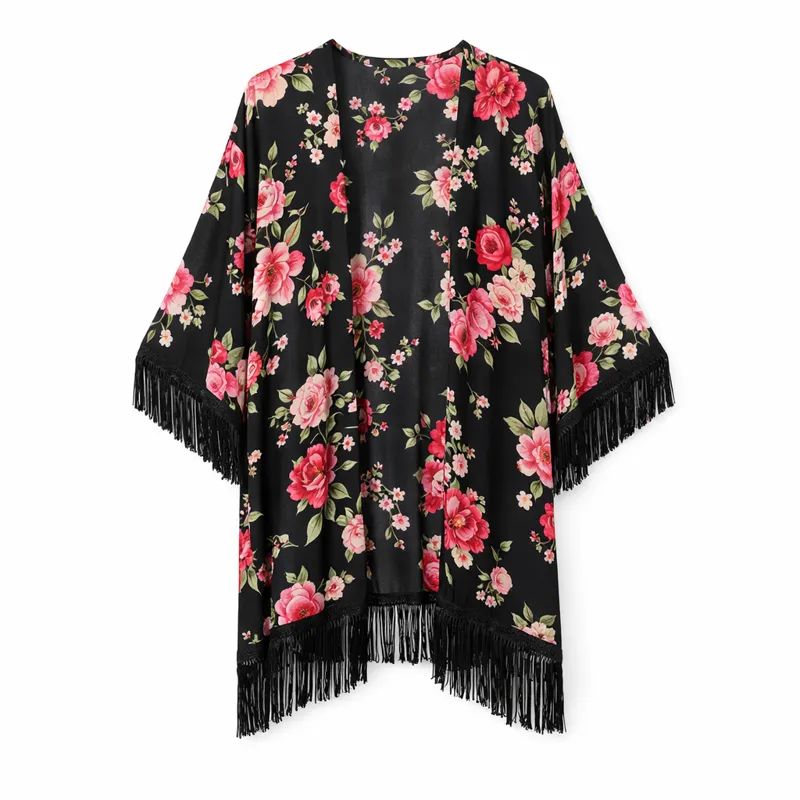
Another easy trend to adapt is the printed kimono. To keep it from competing with your entire wardrobe, let it take the spotlight:
- Underneath, wear plain pieces in one or two colors max.
- Repeat a color from the print in your top or pants.
- Keep accessories minimalistic.
This way, you wear a very trendy piece, but the overall outfit remains balanced and doesn’t overwhelm your personality.
Accessories That Update (and Don’t Disguise)
If you’re hesitant about trying pieces very different from what you usually wear, start with accessories. They’re the safest way to step into a trend without abandoning your essentials.
Sunglasses: The Fastest Filter
Sunglasses are the quintessential trendy accessory: they completely transform the perception of a simple outfit. This year, we’re seeing a lot of color, gradient lenses, and geometric frames.
To make them feel like yours, consider two things: the shape of your face and the style you want to convey (classic, retro, sporty, glam…).

Bags and Belts That Refine Your Style
A structured bag in a neutral color can make a boho look appear more urban. A belt with a defined buckle transforms a loose-fitting dress into something more sophisticated.
- If you’re afraid of looking like you’re in costume, keep the clothing simple and play with the bag.
- If your style is very basic, wear a special belt or necklace to elevate the look.
Hair and Makeup: The Silent Detail

Sometimes it’s not the clothing that feels out of place; it’s the hairstyle or makeup. Wearing a very bold trend on your eyes or lips when you’re not used to it can make you feel out of place.
My advice is to change one thing at a time: a different eyeliner, a bolder lip color, soft waves if you usually wear it straight. This way, your brain has time to adjust to the change and it integrates better into your style.
How to Try a Trend Without Regret
This is where the practical part comes in. Before incorporating a trend into your permanent wardrobe, you can run it through a small “reality test.”
The trick is: try the trend first in controlled contexts (an afternoon, a specific plan, a trial combination) before making it your uniform.
1. Test It at Home
When you have a very trendy new piece, don’t debut it at an important occasion right away. First, play with it at home:
- Create three different combinations with things you already have.
- Look at yourself in a full-length mirror and take photos with your phone.
- Notice if you recognize your “usual self” in those photos.
2. Debut It in a Low-Pressure Situation
The next step is to wear that trend to a low-pressure plan: a coffee with friends, some shopping, a stroll. Nothing where you feel you “have to be perfect.”
While wearing it, ask yourself:
- Am I constantly aware of the outfit?
- Do I feel like myself when I see my reflection in a window?
- Do I want to wear it again another day?
3. Adjust It, Don’t Abandon It
If something doesn’t convince you entirely, you don’t have to renounce it right away. You can adjust:
- Change shoes for ones that are more “you”.
- Add a more classic jacket on top.
- Soften the makeup to allow the outfit to breathe.
Often it’s not the trend itself, but the combination of too many new elements at once that creates that feeling of disguise.
Quick Checklist: Follow Fashion Without Disguising Yourself
To make all this truly practical, here’s a small checklist you can use every time a new trend tempts you:
- Does it pair well with at least three items I already have in my wardrobe?
- Can I see myself wearing it in a year, even if it’s no longer in style?
- Does it respect my color palette or complement it well?
- Do I feel comfortable with the silhouette (lengths, volumes, neckline)?
- Does it fit into my real day-to-day activities (transportation, work, plans)?
- Does it add something new to my style or does it just repeat something I already own?
- If it disappeared from all social media tomorrow, would I still like it?
If most answers are “yes,” then go for it. If most are “no,” it’s probably a trend to admire on others, not to include in your wardrobe.
FAQs: Common Questions About Trends and Personal Style
How do I know if a trend fits my style?
Try the three combinations test: if you can create at least three different looks with that trend using only pieces you already own, it’s a sign that it fits quite well with your style and your wardrobe.
Is it a good idea to buy only basics and forget trends?
A wardrobe made up solely of basics can become boring if you don’t express your personal touch. The ideal scenario is to base it on timeless pieces, but to add trendy details that excite you each season.
How can I avoid feeling like I’m in disguise when I try something new?
Change one thing at a time: if you experiment with a new cut or a bold print, keep the rest of the look very much your own. This way, you still have familiar references and your brain doesn’t feel like you’ve changed characters.
What should I do with trendy pieces I no longer wear?
Before removing them from your wardrobe, try to combine them in simpler ways or transform them (alterations, dyes, button changes). If they still don’t represent you, it’s better to sell or donate them and free up space for pieces that do fit you.
Can I mix different styles (boho, elegant, urban) without looking overdone?
Yes, always as long as you establish a focal point. Choose whether the focus will be on silhouette, color, or the main accessory, and let the remaining elements play a more understated role to avoid saturating the outfit.
Updated: 2026-05-13. In fashion, everything evolves, but the underlying idea remains: adapt trends to your DNA, not the other way around.