
Fashion changes every season, but your style stays. The key is to embrace current trends and bring them into your realm so that when you look in the mirror, you don’t think, “I look disguised.”
In this guide, I’ll show you how to read trends, filter them according to your real life, and adapt them step by step to work with your body, your pace, and your personality.
1. Before Following Trends: Define Your Style Base
If you’re not clear on your base, any trend will end up dominating your wardrobe. Therefore, before jumping into the seasonal crop top or the viral shoes, you need a “solid foundation.”
1.1. Your Daily Uniform
Think of three looks that you repeat without realizing. There lies your true style. From these, define:
- Silhouettes you repeat: skinny, straight, wide leg, midi, mini…
- Colors that repeat: neutrals, earth tones, black, pastels, bright shades.
- “Lifeline” garments: blazer, jeans, shirt dress, oversized blazer, etc.
With this clear picture, you will filter any trend through the question: “Does it fit with my uniform or does it completely break it?”

A capsule wardrobe in neutrals is a good base to add trends without getting lost.
1.2. Color Palette that Represents You
You don’t need a color analysis studio to start. Just observe:
- What colors do you wear when you want to feel confident?
- What shades always get compliments (even if you don’t notice)?
- What colors tire you quickly in photos?
Color trends (such as bright red, metallics, pastels, etc.) integrate better if you first apply them in accessories or in a single garment, keeping your color base intact.
2. How to “Read” a Trend without Losing Your Essence
A trend is not just a piece of clothing; it’s an idea. If you understand the idea, you can translate it into your language and adjust the level of drama.
2.1. Break Down the Trend into Concepts
When you see a new trend, analyze what defines it:
- Volume: oversized, fitted, structured, fluid.
- Texture: satin, washed denim, chunky knit, sheer fabrics.
- Visual Focus: shoulders, waist, legs, neckline, back.
Then ask yourself: “Which part of this idea do I feel comfortable with?” That is your version of the trend.
2.2. The 70/30 Trick to Avoid Looking Disguised
A balance that works very well is this:
- 70% Base Garments (your usual style: straight jeans, white shirt, neutral blazer…).
- 30% Trend (color, shape, print, or current accessory).
With this percentage, the outfit still looks like “you” even if you wear a very trendy piece.
3. Key Current Trends and How to Adapt Them to Your Style
Let’s look at some of the most present trends right now and how to adapt them to different styles without looking disguised.
3.1. Relaxed Tailoring and Baggy Pants
Baggy pants and relaxed tailoring dominate the streets. The risk: feeling “in a sack” if you usually wear more fitted pieces.
Ways to adapt it:
- If you’re classic: choose a wide leg in a neutral color (black, grey, beige) and pair it with a tucked-in shirt and defined belt.
- If you’re casual: add a fitted cotton t-shirt and white sneakers to balance the volume.
- If you’re romantic: combine loose pants with a top that has volume in the sleeves but is fitted at the waist.

Notice the balance: volume below, cleaner and closer-fitting top.
3.2. Jumpsuits and Relaxed “Black Tie” Looks
The elegant black jumpsuit has become a real alternative to the party dress. It’s comfortable, flattering, and if you choose the cut well, it doesn’t go out of style.
- For a minimal style: look for a jumpsuit with straight lines, few adornments, discreet neckline, and fluid fabric.
- For a glam touch: add jewel earrings and red lips while keeping the rest of the look very clean.
- To reduce formality: pair it with mid-heel sandals or even with an oversized blazer in a light tone on top.

A well-chosen black jumpsuit can be your guest uniform for years, beyond the trend.
3.3. Cream Dresses and Soft Monochromes
Cream, bone, and nude tones are starring many current looks, especially in coordinated outfits and dresses with moderate volume.
- If you’re afraid of looking washed out: break the total cream look with a chocolate or black belt and contrasting bag.
- If you love ethereal looks: opt for a two-piece cream set with textures (honeycomb, linen, structured cotton).
- If you’re very into black: use cream only on the top and keep the bottom dark.

The key is in the structure: volume in sleeves and top, marked waist, and simple skirt.
3.4. Layers, Poncho Coats, and Wrap Items
Layers and poncho-style coats give a very current editorial vibe, but they can be overpowering if not compensated.
- If you’re short: choose layers that are above the knee and wear pants and shoes in the same color to elongate visually.
- If you’re tall: a long poncho coat in neutral tones can be your standout piece effortlessly.
- If you’re afraid of losing your waist: look for styles with a belt or add one yourself.

A poncho coat works best when everything underneath is simple and in a very reduced palette.
4. How to Play with Very Editorial Pieces without Feeling Disguised
Some trends are almost made for fashion editorials: sequins, gloves, extreme sunglasses… however, they can inspire your real wardrobe if you know how to dose them.

The editorial look exaggerates proportions and shine for photos. You can keep just one element.
4.1. From Editorial to Street in Three Steps
When faced with a very dramatic look, apply this translation:
- Reduce the number of focal points: keep only one standout piece (the silver dress, or the sunglasses, or the gloves… but not everything at once).
- Switch the rest to neutrals: accompany the standout piece with black, white, grey or beige.
- Lower the level of makeup and hairstyle: this balances the overall feel and brings you closer to real life.
According to runway designers and stylists, runway looks serve as a lab for ideas: the key is to extract the concept, not copy the entire ensemble.
4.2. How to Try a New Style Without Regret
If a trend calls to you but it doesn’t fit with what you have, try it first in “low-risk” versions:
- In accessories: bag, belt, earrings, sunglasses.
- In outer garments: jacket, blazer, kimono.
- In leisure pieces, not for work: this way it doesn’t condition your day-to-day life.
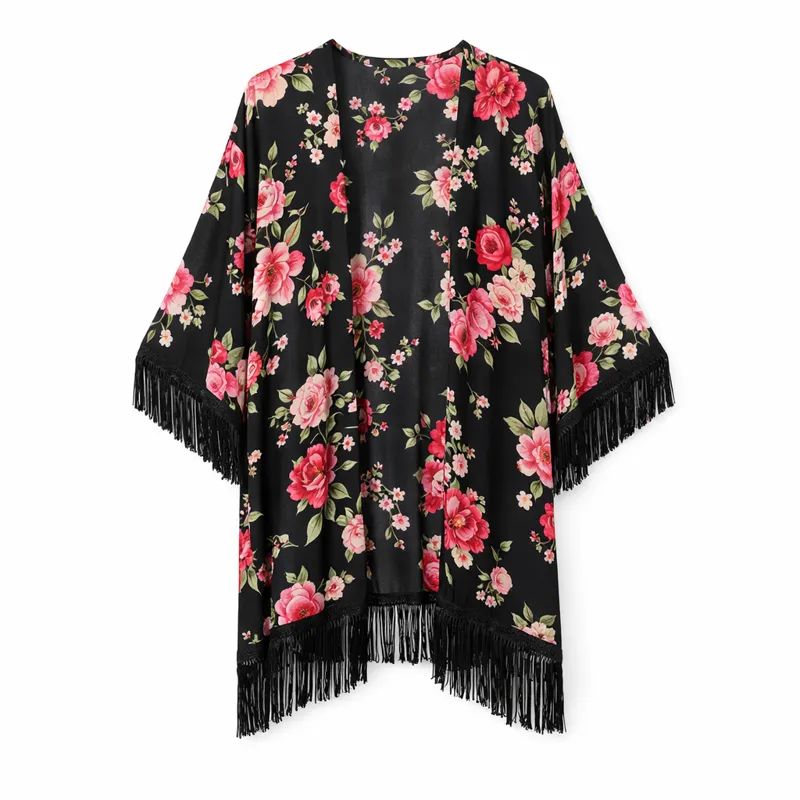
A printed kimono is an easy way to test new colors and prints without compromising the entire look.
5. Boho Style, Festivals, and Chic without Disguise
The boho style and festival looks are still very present, but it’s easy to cross the line between “inspiration” and “festival disguise.”
5.1. What Makes a Look Seem Like a Disguise
- Accumulating too many typical elements of the same style (fringes + flowers + crown + cowboy boots + crochet vest…).
- Not leaving any neutral piece to connect with your usual wardrobe.
- Not recognizing yourself when you see your photos the next day.
To avoid this, stick to two boho elements and keep the rest simple.

Here, the look works because the color is uniform and the hairstyle and accessories are subtle.
5.2. Adapting Boho to the City
If you love the boho vibe but your life is more office than festival, you can use it in very controlled doses:
- Boho embroidered blouse + straight jeans + loafers.
- Flowy long dress + structured blazer + mid-heel booties.
- Woven bag in summer with a completely minimalist look.
6. Accessories that Refresh (Without Stealing Your Style)
When you don’t want to restructure your wardrobe, accessories are your best ally to embrace a trend without giving up your essence.
6.1. Sunglasses: Your Attitude Touch
Sunglasses have almost become a statement of intentions: rectangular silhouettes, soft colors, mirror lenses…
To avoid looking like a “celebrity disguise,” pay attention to:
- Proportion to your face: neither too small nor overwhelming your face.
- Color: if your wardrobe is neutral, a pastel pair can be your fun touch.
- Coherence with your bag and shoes: not everything has to match, but they should speak the same language.

A single “trendy” accessory can update an entire look without changing your base.
6.2. Jackets, Kimonos, and Light Layers
Light outer garments are perfect for adding trend to very basic looks.
- Printed kimono over jeans and a white t-shirt.
- Minimalist white jacket over dresses you already own.
- Biker jacket in a soft tone to soften overly formal looks.

A clean jacket in a light color fits easily into almost any style and season.
7. Hair and Makeup: Allies to Make the Trend Yours
The same look looks different depending on how you wear your hair and makeup. This is where you can decide how much you want to reinforce or soften a trend.
7.1. The Power of a Polished Hairstyle
A very basic look transforms with a good blowout or soft waves. And vice versa: an outfit loaded with trends balances with a simple hairstyle.
- For a very minimal style: center part, smooth polished hair or low bun.
- To soften a strong look: natural waves, controlled messy low ponytail.
- To elevate a simple look: sleek high ponytail or half-up hairstyle with volume.

Well-maintained and shaped hair makes even the simplest garments look intentional.
7.2. Makeup: Raise or Lower the Volume
You can use makeup as a trend regulator:
- Very sober clothing look: bold lips, defined eyeliner, or shimmer on eyelids to increase intensity.
- Very striking look: glowing skin, groomed eyebrows, and little else, to avoid competing with the clothes.
- Daily style: light foundation, mascara, and cream blush for a fresh look.
8. Quick Checklist: Am I Comfortable or Do I Look Disguised?
Before leaving home, you have a very simple tool to check if you have adapted the trend well or if it has gotten out of hand.
- Do I recognize my usual silhouette (or a very similar one) when I look in the mirror?
- Would I wear at least two items from this look on a typical day of my real life?
- Can I walk, sit, and move without worrying that “something will slip out”?
- Can I see myself wearing this combination in six months without feeling embarrassed?
- Do I feel like I’m talking more about the clothes than about what I’m going to experience with them?
FAQs: Trends and Style without Disguise
How do I know if a trend fits my style?
Try integrating it first with your favorite basics. If combining it with jeans, t-shirts, or dresses you already wear makes you feel strange, that trend probably doesn’t suit you at this moment.
How many trends can I mix in one look?
As a starting point, stick with a single standout piece per look and keep the rest of the garments neutral or very basic. As you feel more confident, you can play with two trends at a time, but always maintaining 60-70% base garments.
What if I love a trend that doesn’t flatter my body?
Focus on the idea, not the exact garment. If you like sequins but not fitted dresses, you can wear a shiny top with straight pants; if you’re drawn to cut-outs but don’t want to show skin, try pieces that simulate cuts through seams or color panels.
How do I adapt trends if I have a strict dress code at work?
Introduce the trend in discreet details: fabric texture, shoe shape, bag type, or in layers that you can remove outside the office, such as a special coat or a printed kimono over a very sober look.
Is it necessary to follow all trends to stay updated?
No. Choosing only the trends that fit your life and body demonstrates more judgment than trying to cover it all. A couple of updated touches in your wardrobe each season is more than enough to keep your style looking fresh.