
Trends · Personal Style
Fashion is in my DNA, but that doesn’t mean I follow every trend to the letter. What really fascinates me is finding that balance: staying updated, feeling like yourself, and avoiding that “disguised” look in the mirror.
In this article, I want to help you with just that: understand what trends are currently in, filter what fits you, and translate it into real looks that you would actually wear to work, for a dinner out, or for a weekend plan.
1. Before Trends: Define Your Style Foundation
If you don’t have a clear foundation, any trend can make you feel out of place. For me, your style foundation consists of those three or four words that define how you dress: for example, comfortable, feminine, simple, or minimal, elegant, modern.
Think of three outfits in your wardrobe that you always feel good in. Analyze:
- Repeating Colors: Are they neutral, earthy, bright, or pastel?
- Shapes: Do you prefer fluid, fitted, or oversized garments?
- Formality Level: More casual, or more dressed up?
With this, you have your personal “filter”: any trend you add will have to respect at least two of those key words.

2. The Major Current Trends (and How to Bring Them to Life)
I’ll summarize some of the trends we are seeing frequently lately and, most importantly, how to adapt them without losing your essence.
2.1. Cream Colors and Total Light Look
Looks in cream and beige tones are still very strong. The trick to avoid looking like a shapeless block is to play with volumes and textures.
- If your style is romantic, try a two-piece outfit with volume in sleeves or skirt.
- If you are more minimal, stick to straight lines and a single special detail (neckline, back, belt).
- If you don’t see yourself in cream from head to toe, mix it with off-white or light jeans.

How I Would Do It
- Top: light cream sweater, slightly oversized.
- Bottom: light blue straight jeans.
- Shoes: nude flats or white sneakers.
- Final Touch: bag in contrasting color (black or burgundy) to break the “total cream” effect.
2.2. Relaxed Tailoring and Elegant Jumpsuits
Soft tailoring and black “black tie jumpsuits” are the answer for when you want to look dressed up but still comfortable. Here, the key is the fit: not too tight, but not too loose either.
According to her extensive experience in fashion and editorial work, Neus Patern always insists on the idea of balance: a strong statement piece balanced with basics that accompany it without competing.

If you don’t usually dress up, instead of a full suit, just try a single piece:
- Flowy blazer over a basic T-shirt and jeans.
- Pleated trousers with a cotton tee and clean sneakers.
- Black jumpsuit with simple sandals and discreet earrings.
2.3. Oversized and Baggy Trousers

Wide trousers and relaxed silhouettes are here to stay. If you have been wearing skinny jeans for years, it’s normal to feel a bit strange at first.
- Balance the volume: wide on the bottom, more fitted or tucked-in on top.
- Show a bit of ankle or wrist to lighten the look visually.
- Start with a medium width before diving into the extra-oversized.
2.4. Polished Boho and Festival Looks
The boho style is still present, but cleaner: fewer layers, fewer embellishments and a softer color palette.
The key to avoid looking like you’re in a festival disguise is to mix just one boho element with very simple pieces.

- A printed kimono with straight jeans and a plain tee.
- A flowing white dress with minimalist sandals and a structured bag.
- Boho lace top with tailored trousers and loafers.
3. How to Adapt a Trend Without Feeling Like You’re Not Yourself
This is where the practical part comes in. Here’s a little “process” that I always use when I want to try something new without losing my signature style.
3.1. The 70/30 Rule
This proportion works very well for me:
- 70% items that are very much you (your basics, your colors, your usual cuts).
- 30% trend (one item, one color, one accessory or a new combo).
That way, the look remains recognizable, just updated.
3.2. Start with Accessories

If a trend attracts you but you’re hesitant to wear it in clothing, try it first with accessories: sunglasses, bags, earrings, shoes.
- A new color in the bag.
- A different silhouette in sunglasses.
- A pair of platform sandals if you normally wear flats.
It’s less invasive and allows you to get used to the idea before buying a standout piece.
3.3. Play with One Statement Piece
Think of each look like a small equation: 1 statement piece + 2 neutral pieces. This way, it’s hard to look disguised.
- Striking silver dress + simple black coat + nude heels.
- Floral kimono + white tee + classic blue jeans.
- Colorful baggy pants + basic top + white shoes.

The editorial runway look is inspiration, not obligation. Take the idea (the shine, the contrast of black and silver, the shape of the dress) and translate it into your daily life with easier fabrics and fewer layers.
4. Examples of Trend Looks Adapted to Different Styles
Let’s put everything into outfit ideas so you can see how you can play with the same trend in very different ways.
4.1. Elegant Black Jumpsuit: From Event to Everyday
Event Version
- Black “black tie” jumpsuit with a careful neckline.
- Structured blazer over the shoulders.
- Thin-heeled sandals and metallic clutch.
- Jewelry: long earrings and a standout ring.
Daily Version
- The same black jumpsuit.
- Denim jacket or cotton overshirt.
- White sneakers or flat loafers.
- Shopper bag and small earrings.
4.2. Cape Coat and Layering Play

Cape coats and blanket coats have made a comeback. They are very stylish, but if you don’t usually wear such striking layers, they can feel imposing.
- Keep the neutral palette (grey, beige, white, black).
- Make the rest of the look very simple: plain sweater + straight pants.
- Avoid adding more extra volume (giant scarves, oversized bags).
4.3. Floral Kimono for Beginners
Base Look with Kimono
- Floral kimono as a standout piece.
- White or nude shirt.
- Straight blue or white jeans.
- Minimalist sandals or mules.
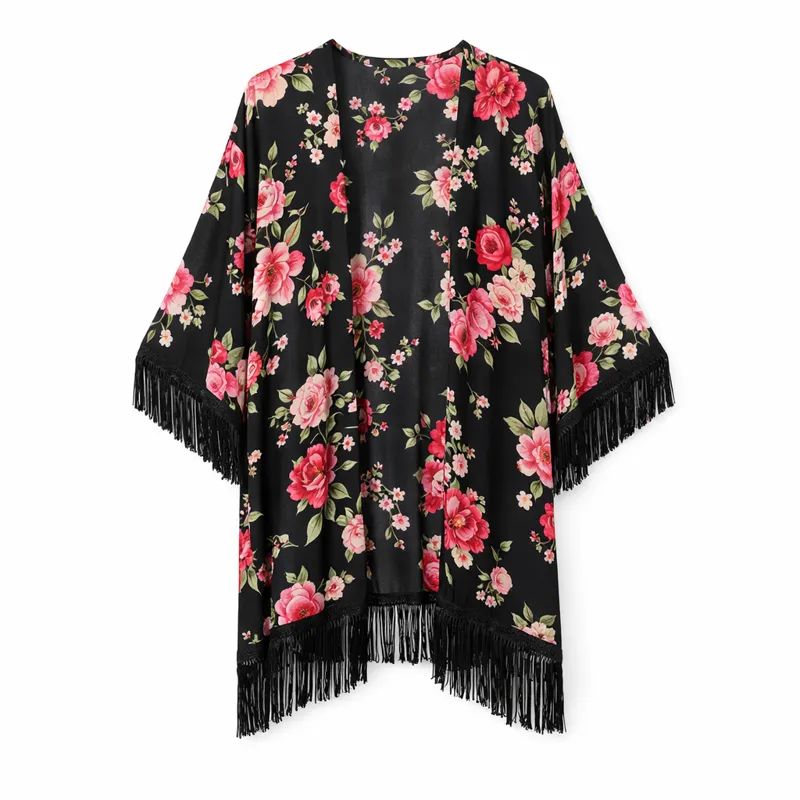
If the print is very potent, avoid adding more prints to the rest of the look. Let the kimono speak for itself.
5. Hair, Makeup, and Details: The 20% That Changes 100%
Often the feeling of “disguise” doesn’t come from the clothing but from the entire look: hairstyle, makeup, accessories. If you change one thing, balance the others.

- If you’re wearing a very striking look, keep your hair and makeup more natural.
- If you are very basic in clothing, play with a special lipstick or an intricate hairstyle.
- Maintain style coherence: a boho look calls for a more relaxed hairstyle; a minimal look requires sleeker lines.
Think of your appearance as a whole. It’s not about being perfect, but about having a consistent thread.
6. How to Build Your Own Trend Capsule Wardrobe
You don’t need to buy a whole new season each time. You can have a mini trend capsule wardrobe within your existing wardrobe.
| Category | Example of Trend | Easy to Wear Version |
|---|---|---|
| Statement Piece | Elegant black jumpsuit | Fluid black jumpsuit without excessive shine or cut-outs |
| Outerwear | Cape / blanket coat | Grey or beige cape in a solid fabric, without extreme prints |
| Bottoms | Baggy trousers | Mid-rise baggy trousers with defined waist and neutral color |
| Boho Touch | Floral kimono | Kimono with soft print and neutral background |
| Key Accessory | Statement sunglasses | Model with a different shape than your usual ones but in a classic color |
With 4-5 pieces like these, you can start introducing novelties into your looks without your wardrobe losing its recognizability.
7. Signs That a Trend Is Not for You (And That’s Okay)
It’s also important to know when to say no. Not all trends are beneficial, and that’s perfectly fine.
- You look in the mirror and the first thing you see is the garment, not your face.
- You spend the day adjusting, covering up, or correcting things.
- You need to wear more makeup than usual to feel good.
- You don’t know how to combine it without feeling odd.
If all this happens to you, that trend may not fit into your life at the moment. It doesn’t mean it never will, but forcing it doesn’t make sense.
Frequently Asked Questions About Trends and Personal Style
How do I know if a trend really suits me?
Ask yourself three things: Do I feel comfortable moving in it? Do I recognize myself when I look in the mirror? Does it match with at least three items I already own? If the answer is yes to all three, it’s a good sign.
Is it mandatory to follow trends to dress well?
Not at all. Trends are tools, not rules. You can have a very personal and current style just by updating small details: the shape of jeans, the type of shoes, the length of garments, accessories.
How many trendy pieces do I need each season?
With 3-5 well-chosen pieces, you have more than enough. The important thing is that they are versatile, fit your color palette, and you can wear them in different contexts: work, leisure, evening plans.
What should I do with past trends that are no longer in style?
First, check if they still fit with your current style. If you like them and they suit you, you can continue wearing them. Fashion is cyclical, and more importantly, it’s how you feel in your clothing.
How do I combine very basic pieces with trendy touches?
Think of your basics as a canvas: straight jeans, plain tees, white shirts, neutral blazers. On top of that, add a single trendy touch: a special shoe, a colored bag, an outerwear piece with a different shape, or a printed kimono.