
Trends · Personal Style · Practical Guide
If you love trends but fear stepping outside feeling like you’re in a costume, you’re in the right place. Here we’ll break down what you see on the runway, Instagram, and street style, and adapt it to your real life.
Trends, Yes. Disguise, No: The Key is Balance
When a trend explodes, it seems like there are only two options: go for the total look or completely pass. But there’s a much more interesting midpoint: using fashion as a tool to express who you are and not to hide behind a character.
Fashion is in my DNA, and the more I experience it from the inside, the clearer I see one thing: your style works when you recognize yourself in the mirror. If you feel “weird”, it’s not that the trend is bad; it just needs adjustments in volume, color, or context.

A minimalist and neutral piece is your best ally to tame any eye-catching trend.
Current Trends You Can Make Your Own (Without Losing Yourself in the Process)
Let’s look at some of the most repeating trends right now and how to incorporate them into your daily life so they look natural, flattering, and distinctly you.
1. Capsule Wardrobe Reimagined
The concept of capsule wardrobe is not new, but it gets reinterpreted every season. Now we see it with very refined pieces, straight lines, and a palette of soft neutrals (sand, cream, off-white, light gray) mixed with a touch of color.
- Top Trend: light blazer, oversized shirt, baggy or straight pants, simple midi dress.
- Key Fabrics: cotton, linen, drapey blends, lightweight knits.
- Colors: warm neutrals combined with a hint of pastel or a bold color in accessories.
To avoid feeling like a “Pinterest girl”, adjust two things: the fit (ensure the pieces flatter your silhouette) and the level of formality (there’s no need to always wear a blazer if your life is very casual).

A modern capsule wardrobe: few well-thought-out pieces that mix easily with one another.
Tip: Stick with one dominant silhouette (for example, loose top + more fitted bottom) and repeat it with different pieces. This way, you maintain coherence even while changing colors or patterns.
2. Baggy Pants and Relaxed Silhouettes

Baggy pants work best when the rest of the look is clean and balanced.
Baggy pants and loose fits are very much in trend right now. The problem is that, if you don’t adjust the proportions, they can make you feel like you’re wearing two sizes up or that you dressed in the dark.
- If you are petite: look for high rise and length that hits at the top of your shoes to elongate the legs.
- If you have a curvy figure: opt for fabrics that drape well and discreet pockets.
- If you’re coming from skinny fits: start with a slightly loose straight leg before jumping into extreme baggy styles.
Balance the volume with more structured tops: a tucked-in shirt, a fitted top, or a cropped jacket. The contrast makes baggy styles look intentional, not sloppy.
3. Cream Dresses and Total Light Looks
Total looks in cream tones are one of the most elegant and current formulas, especially in dresses or coordinated sets. The risk is feeling “too dressed up” for your daily routine.
To tone down the formality, change the context of the accessories:
- White sneakers or flat sandals instead of high heels.
- Shopper bags or crossbody bags instead of a rigid clutch.
- Simple jewelry in gold or silver, nothing overly ornate.
This way, a dress that could be event-appropriate becomes perfect for lunch, a relaxed office day, or a summer afternoon.

A cream set becomes a basic when you mix it with everyday accessories.
4. Cape Coats and Volume Outdoors

The cape coat requires a very clean rest of the look to avoid looking like an editorial costume.
Cape or blanket coats provide that editorial vibe we see in street style, but in real life they can feel exaggerated.
The trick is to treat the cape as the only standout piece in the look:
- Minimal base: straight jeans + plain sweater + simple ankle boots.
- Reduced palette: maximum three colors in the entire outfit.
- Discreet accessories: simple line bag and fine jewelry.
If you’re wearing other standout pieces underneath, it’s easy to feel disguised. Less is more, especially with this type of statement piece.
5. Controlled Boho Touch
The boho style returns every season in a festival version: embroidery, ruffles, off-the-shoulder styles… But the same top that works at a festival can feel out of place in the office.
My favorite way to adapt boho is to use just one boho element per look and surround it with urban basics:
- Boho kimono + straight jeans + plain t-shirt.
- Off-shoulder top + tailored pants + minimalist sandals.
- Flowy white skirt + men’s shirt and loafers.

A single boho gesture placed in an urban context completely changes the reading of the look.
How to Adapt Any Trend to Your Style (Step by Step)
Beyond specific pieces, it’s important to have a method for deciding what to wear and how. This is how you turn a general trend into something very personal.
1. Define Your Foundation: Your Personal “Uniform”
Think about the 3–4 looks you repeat most often when you don’t want to complicate things. That’s your uniform. It could be as simple as:
- Jeans + t-shirt + blazer.
- Midi dress + ankle boots.
- Flowy pants + basic top + jacket.
- Two-piece knit set.
The trends that integrate best are those that respect this foundation. In other words, you can change the color, fabric, or cut, but the overall structure of the look remains familiar to you.
2. Choose Your “Comfort Palette”
Another way to avoid the disguise effect is to have a clear comfort palette: those colors you always look good in. Start with:
- 2–3 neutrals you often wear (white, black, beige, gray, navy…).
- 1–2 colors that suit you near the face.
- 1 “fun” color for accessories or specific pieces.
When trying a new trend (for example, a different cut or a very distinctive texture), keep it within your comfort palette. That makes it feel more like yours from the first moment.
3. Apply the 1–1–1 Rule
For example:
- Trendy Piece: baggy pants.
- Neutral Basic: white cotton t-shirt.
- Personal Touch: your favorite earrings, a colorful bag, or a signature lipstick.
The personal touch could be a hairstyle, type of jewelry, nail color, or way of applying eye makeup… Something that repeats in you works as a “signature” and makes sure no trend overwhelms you.
4. Adapt the Context, Not Just the Piece
The same piece can work very differently if you change the context:
- Event: mix your cream dress with high-heeled sandals, small clutch, and sleek bun.
- Office: same dress with a light blazer and loafers.
- Weekend: dress + white sneakers + shopper bag.
According to stylists’ experiences in fashion editorials and runways, many insist that context (shoes, bag, hairstyle) weighs just as much as the piece itself. You don’t need an infinite wardrobe; you just need to know how to move a piece across different scenarios.
5. Listen to Your Body: The Mirror and Movement Test
Before heading out the door in something new, ask yourself two very simple questions:
- Do I recognize myself? If you look in the mirror and feel like you’re playing a role, it’s time to tone it down a notch.
- Can I move well? Go up and down stairs, sit, stand, raise your arms. If you’re uncomfortable, you’ll end up feeling disguised, even if the look is beautiful.
You can adjust on the fly: change your shoes, roll up a sleeve, add or remove a layer. Small gestures make a significant difference.
Accessories and Details That Update Your Style Without Changing Who You Are
If you’re still hesitant to wear very trendy pieces, start with accessories. They are the easiest way to refresh a look without giving up your comfort zone.
Sunglasses: The Accessory That Changes Everything
Sunglasses have an incredible ability to change the energy of an outfit. The same jeans with a t-shirt can look very different with fine rectangular sunglasses or oversized round ones.
To avoid looking like you’re playing dress-up, look for:
- Shapes that harmonize with your face (not too extreme or too small).
- Framing colors that you already wear in bags or shoes.
- A balance between trendiness and timelessness (for example, a soft cat-eye instead of an overly exaggerated one).

Just changing the sunglasses can make the same look tell a different story.
Statement Pieces: Kimonos, Black Jumpsuits, and More
Another effective way to wear trends without feeling like you’re in a disguise is to go for one statement piece and build a simple look around it.
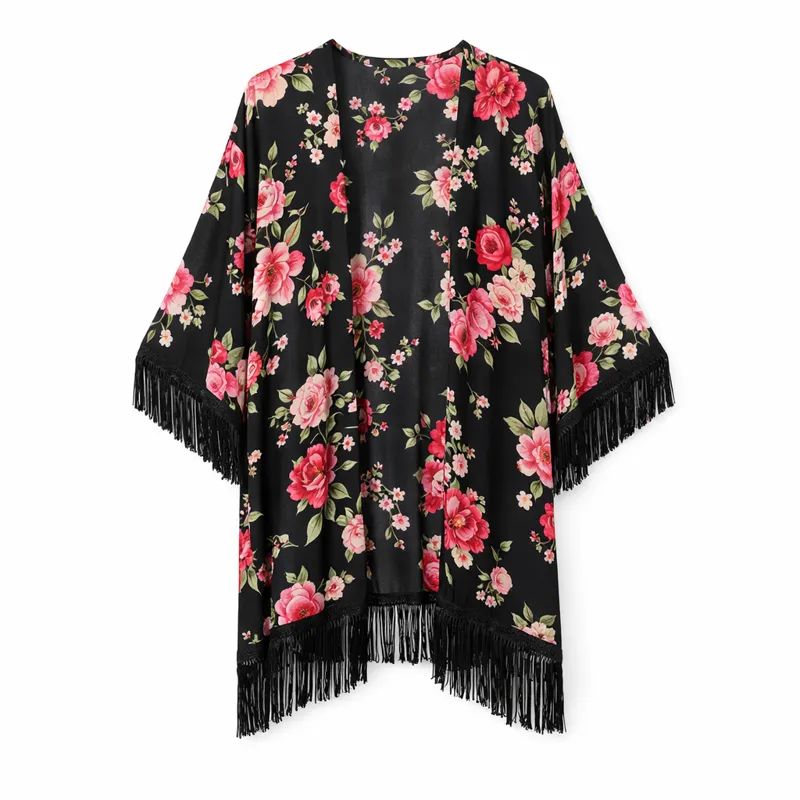
The floral kimono integrates easily if everything else is very basic.
- Printed Kimono: pair it with jeans and a white or black top. This way, it stands out, but you remain in your comfort zone.
- Elegant Black Jumpsuit: it’s trending for events and special dinners. Adjust the level of shine according to your style: metallic sandals for a more festive touch, matte black sandals for discretion.
- Minimal White Jacket: perfect for updating old dresses or very basic looks.

The black jumpsuit is one of those modern basics that lasts many seasons.
In all these cases, the idea is the same: one piece with personality, surrounded by basics. If you fill the look with strong elements (very flashy shoes, a shiny bag, bold makeup), that’s when you start to feel disguised.
Hair and Makeup: The Frame of the Look
A look can be beautiful, but if your hair seems to be going to another event or your makeup doesn’t match your daily life, something feels off.
You don’t need to radically change how you style your hair. Sometimes, it’s enough to:
- Add shine and order to your hair when the outfit is very minimal.
- A low bun or sleek ponytail to balance voluminous garments.
- A clean skin look + a bold lip that connects with the outfit color.

Taking care of your hair is part of your style: it’s not just another trend, it’s the frame of everything.
How to Know if a Trend is for You (and When to Pass)
Not everything that’s in style has to appeal to you nor be flattering. And that’s okay. Having criteria also means knowing when to say “no”.
Ask Yourself These Questions Before Buying
- Does it match at least two pieces I already have? If it only works with one specific item, it’s more likely to end up hanging in your closet.
- Can I see myself wearing it more than one season? Even if it’s trendy, always look for some timeless element.
- Does it repeat something that I already know flatters me? A type of neckline, a cut of pants, a length of skirt…
- In what real moments of my life would I wear it? Work, weekend plans, events… If no concrete moment comes to mind, be suspicious.
Signs You’re “Disguising” Yourself
If when you try it on, you feel any of these things, that trend probably isn’t for you, at least as you’re considering it:
- You need to completely change your hairstyle and makeup for it to fit.
- You don’t recognize your silhouette and don’t know how to adjust it.
- You picture someone else wearing it, but not yourself.
- You think more about “what’s in trend” than how it makes you feel.
In those cases, it’s not a failure; it’s information. You can look for the same trend in a different fabric, color, or a less extreme cut.
Quick Checklist: Trends Yes, Disguise No
To help you apply all this when getting dressed tomorrow, here’s a practical checklist. Use it as a reminder when trying something new.
- 1 Does it respect my base uniform (the overall structure of the look)?
- 2 Is it within my comfort palette or close to it?
- 3 Have I applied the 1–1–1 rule (trend + basic + personal signature)?
- 4 Do the volume and proportions flatter me?
- 5 Can I move naturally and feel like myself all day?
- 6 Can I imagine at least three different looks with this piece?
- 7 Do I feel excited to wear it, not pressured by “keeping up with trends”?
If most of your answers are “yes”, then the trend aligns with you. If the majority are “no”, it might be best to admire it on others and seek another that fits better with your identity.
Frequently Asked Questions About Trends and Personal Style
How can I follow trends if I have a very basic style?
Start with accessories and small details: a colorful bag, trendy sunglasses, or unique earrings. Keep your clothing basic and use the 1–1–1 rule to only add one trendy piece to each look.
What should I do if I love a trend but it doesn’t flatter me?
Identify what you like about that trend (color, fabric, print) and translate it into garments or cuts that you know flatter you. It’s not necessary to copy the exact look to achieve the same effect in your style.
Is it better to invest in basics or trendy pieces?
Your wardrobe foundation should always consist of quality basics that you can mix for many years. Trendy pieces make more sense once you have that foundation covered and use them to refresh what you already have.
How do I know if I’m “too dressed up” for everyday life?
Think about where you’re going and what people around you will wear. If your look clearly seems suited for an event, tone it down with flat footwear, more casual bags, and a more natural makeup. The goal is for your clothes to accompany your routine, not overshadow it.
Can I mix different styles (boho, minimal, urban) without looking like a costume?
Yes, as long as you choose one dominant style and keep the others as details. For instance, minimal base look with a boho bag or an urban touch in the footwear. The issue arises when all styles compete at the same level.