
Fashion is in my DNA, but that doesn’t mean I follow every micro-trend that pops up on social media. What I’m really interested in is helping you filter, adapt, and make current trends your own so that you look modern without feeling like you’re in costume.
Think of this article as a chat between friends: we’ll go over what’s in style right now and, most importantly, how to land it in your day-to-day life, to your body, and to your personal style.
Key Current Trends (and How to Make Them Work)
Before diving into combinations, I want you to see the big picture. Here are the major trends dominating right now, with a “runway” version and a “realistic” version.
1. Soft Minimalism and Creamy Tones
Cream, beige, and off-white tones are still going strong. On the runway, we see completely monochromatic looks, almost editorial. On the street, the “wearable” version is simpler: one special cream piece + neutral basics.
Tip to avoid looking like a Scandinavian influencer: mix textures (knit, denim, cotton) and keep silhouettes familiar to you. If you’ve never worn wide-leg pants, start with a straight-leg denim in a light color.


2. Baggy Pants and Loose Silhouettes
Baggy pants and the oversize trend have moved from TikTok to the streets. The challenge comes when you try them on and feel “stuffed” into a size that doesn’t fit your vibe.
The key is to balance volumes:
- If you wear baggy on the bottom, compensate with a more fitted or shorter top.
- If you opt for an oversize blazer, combine it with straight or skinny pants that you already know suit you.
- Play with the rise: a medium or high-rise baggy is more flattering than a very low rise.
3. Boho Festival, but City Version
The boho style is back with force: embroidery, lightweight fabrics, shoulders exposed. But going to the office as if you’re headed for a festival is usually not a good idea.
The idea is to keep the relaxed spirit and fluid fabrics but combine them with more urban pieces: minimalist sandals, lightweight blazers, structured bags.


4. Vacation Capsule Wardrobe and Neutrals
Another very strong trend is the capsule wardrobe: few pieces, highly combinable, in a reduced color palette. It’s ideal for travel and also to simplify your day-to-day life.
If you don’t want to feel like a “Pinterest girl,” remember two things:
- Maintain your favorite pieces (that pair of jeans, that black tee) within the capsule.
- Add one piece that’s 100% you: a printed shirt, a colorful bag, or some special sandals.

How to Adapt Each Trend to Your Style Without Losing Yourself
Having seen the big picture, let’s get to the important part: how to land the trends on your body and in your life. Here I want to go through piece by piece, with simple rules you can apply right away.
1. Oversize: How Much Volume is Too Much
Oversize works when it’s evident that it’s a style choice, not when it looks like you’ve inherited someone else’s clothes. The line is thin, but it can be controlled.
- Wide top + familiar bottom: try oversized jackets, shirts, or sweatshirts with pants you know flatter you.
- Long sleeves, defined waist: slightly rolling up or tucking in just the front of your shirt makes a difference.
- Key length: if you’re petite, look for oversized pieces that end at the hip, not mid-thigh.
2. Cream Monochrome Without the “Clinical Gown” Effect
A complete cream look is one of the most elegant trends, but often the fear is looking “bland” or unflattering.
- Add two shades of cream (cooler + warmer) so it doesn’t look like a work uniform.
- Introduce a contrasting accessory: black bag, leather belt, soft metallic sandals.
- Pay attention to makeup and hair: with such light tones, a slightly bolder lipstick or well-defined brows will elevate the entire look.
3. Boho, but Adapted for the Office
If you love long dresses, ruffles, and embroidery, you don’t have to give them up in more formal contexts. You just need to adjust the rest of the look.
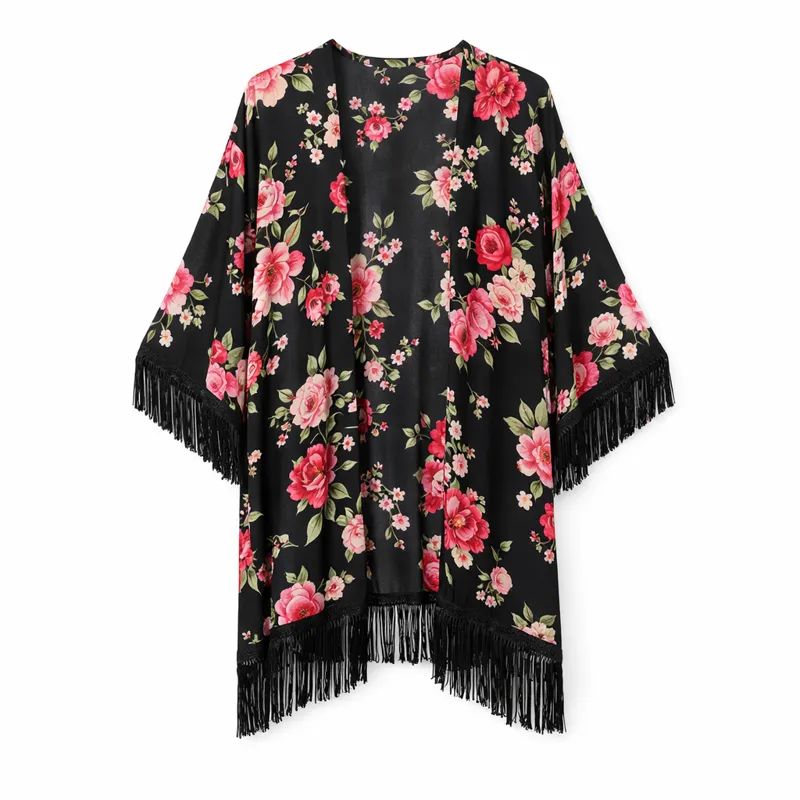
- Choose a standout boho piece (dress, skirt, or kimono).
- Surround it with urban basics: solid blazer, loafers, structured bag.
- Reduce accessories: instead of many bracelets and necklaces, stick to one or two standout pieces.
In this way, you respect your boho essence without looking like you’re headed to a festival on a Tuesday morning.
4. Editorial Pieces for Your Day-to-Day
Surely you’ve seen super editorial looks that fascinate you but don’t know how to translate them into your reality. This is where the game of toning down the intensity comes into play.
- If the piece has shine or sequins, combine it with cotton, denim, or linen.
- If the cut is very dramatic (huge sleeves, strange volumes), balance it with very simple shoes.
- If the color is very strong, let the rest of the look be almost invisible: straight jeans, basic tee, classic bag.

In fashion magazines, stylists with years of experience remind us that a striking piece always breathes better surrounded by basics; this professional criterion is exactly what helps you integrate trends without feeling out of place.
Checklist: Is This Trend for You or Will It Make You Look Like a Disguise?
When you see something on social media and you want to try it, pause for a second. This mini-guide helps you quickly decide if it’s worth bringing that trend into your wardrobe.
1. Reality Test in 5 Questions
- Can I imagine it with something I already have? If it only fits with one new piece, that’s a bad sign.
- Would I wear it to at least 3 different plans? Work, coffee, dinner… if you only envision a photo, it’s probably a disguise.
- Does it respect my color base palette? If you never wear neon, starting with a full fuchsia look isn’t the best idea.
- Does it fit my body and comfort? Don’t sacrifice moving well to fit into a mold.
- Does it resemble something that already makes me feel pretty? If the answer is yes, it’s more likely to fit.
2. Warning Signs of “Disguise”
- You need to change your posture or walking style to feel like it “fits”.
- You only look good from a very specific mirror or photo angle.
- You feel self-conscious running into acquaintances in that look.
- You tried it once “just to see” and now it lives at the back of your closet.
The Third Piece and Accessories: The Trick to Feeling Like Yourself
It’s not just about the clothes. Many times the feeling of disguise comes because we combine strong trend + elaborate hairstyle + pronounced makeup. The result strays too far from how we look daily.

1. Hairstyles That Soften Bold Looks
If your outfit already draws a lot of attention, go for simple hairstyles:
- Straight hair with soft waves or sleek and polished.
- Polished low ponytail with a middle part.
- Relaxed bun with some loose strands.
The important thing is that the hairstyle remains recognizable to you, that you don’t struggle to “recognize” yourself when looking in the mirror.
2. Makeup: One Statement at a Time
When you try a trend that takes you outside your comfort zone (color, volume, cut), my advice is to choose only one focal point of makeup:
- If you’re wearing very colorful clothing, lean on clean skin and nude lips.
- If your look is minimal in light tones, you can up the lips or eyeliner.
- If you’re going to an evening event with shine, balance it with soft shadows.
How to Build Your Own Trend Filter
In the end, it’s not about memorizing what’s in season each year, but about building your own criteria. I propose a very simple system to filter quickly.
1. Define Your Base: 3 Style Words
Think of three words that describe how you like to dress when you truly feel like yourself. For example: “comfortable, feminine, simple” or “urban, elegant, minimal.” Write them down and keep them in mind.
Every time you see a trend, ask yourself: Does it fit at least two of my words? If not, you’re probably going to feel disguised.
2. Mark Your Palette (Even if Flexible)
Your entire wardrobe doesn’t have to stick to a rigid palette, but having a few base colors and others as accents helps:
- Base: black, white, beige, denim, gray.
- Accent: 2-3 colors that truly flatter you and that you like.
The color trends that will work best for you are the ones that fit within this structure.
3. Decide Your Risk Ratio
Not all of us have the same tolerance for “aesthetic risk.” You can think of it in percentages:
- 80% classic pieces / 20% light trend: ideal if you hate feeling disguised.
- 60% classic / 40% trend: perfect if you like to play more but still with control.
Use this percentage as a compass when shopping or organizing your wardrobe.
Frequently Asked Questions About Trends and Personal Style
How do I know if a trend fits my style?
It fits if you can combine it with at least three pieces you already own, if it respects your basic color palette, and if you can imagine it in more than one real-life plan, not just in an isolated photo.
What do I do if I love trends but always feel disguised?
Start by incorporating the trend into accessories (bags, sunglasses, jewelry) and in upper garments. Avoid, at first, drastic changes in pants or full dresses until you get used to seeing yourself differently.
Is it a good idea to build a capsule wardrobe if I love changes?
Yes, as long as you see the capsule wardrobe as a stable base, not as a prison. Always leave room for 4-5 rotating pieces that you can change according to the season or trend you want to try.
How do I adapt trends if I work in a formal environment?
Stick with the colors and textures of trends and apply them in classic cuts: blazer, straight pants, shirt. Avoid extreme volumes or evident transparencies, and play more with discreet accessories.
Can I mix several trends in one look?
You can, but my recommendation is to have one main trend. For example, baggy pants + basic top + trendy accessories. If you add volume, bright colors, and shine all together, feeling disguised is almost inevitable.
What if a trend I hated now starts to appeal to me?
It’s the most normal thing in the world. Your eye gets accustomed. The trick is to introduce it in small doses: first accessories, then an inexpensive piece like a tee, and only later a more standout piece if you see that you are truly using it.