
Fashion Trends · Practical Guide
If you love trends but feel like you’re wearing a costume every time you try something new, this article is for you. We’re going to break down what’s currently in style and how to adapt it to your true style, so you can dress modern without losing your essence.
The runways set the tone, but the street decides what stays: relaxed silhouettes, soft tones, lace details, refreshed boho vibes, and a minimal touch that cleans up excess.

My goal here is clear: to help you understand which trends are easiest to adapt, what to check in your wardrobe, and what tricks I use to make a very runway piece look like it always belonged in your closet.
personal style
not feeling costumed
capsule wardrobe
real looks
1. First Rule: Translate Trends to Your Real Life
Before we talk about colors or cuts, I need you to bring a trend down to your day-to-day life. That is, it’s not the same to see a total runway look as it is to think about how you move: work, transport, plans, weather, budget.
Translate the Trend into Small Gestures
- Start with an accessory: bag, belt, glasses, scarf. The impact is great, but the risk of feeling costumed is minimal.
- Then, a top piece: shirt, top, blazer. You can see it in all the photos, but you can balance it with simple jeans.
- Save statement pants or dresses for last: they make a strong statement and require more confidence.
According to the experience of editorial stylists with years in runway and street style, balancing trends with neutral pieces is key for a daring look to work off-camera and feel 100% wearable.
2. Current Trends That Are Easy to Adapt
Not all trends are equally wearable. Some work almost like updated basics, and those are the ones I’m most interested in, so you don’t feel like you’re wearing a costume.
2.1. Relaxed Silhouettes and Baggy Pants
Wide, fluid, or baggy pants have been strong for several seasons. The good news: they adapt to almost all styles if you control volume balance.
- If you’re very classic: pair them with a structured shirt and closed shoes.
- If you’re more casual: add a cotton t-shirt and clean sneakers.
- If you love boho: pair them with a flowy top and a light vest or kimono.

2.2. Soft Minimalism and Cream Tones
Total looks in cream, beige, bone, or off-white remain at the forefront. They work great if you are attracted to dressing clean, elegant, and without boldness.

- Start with a single cream piece: white jeans, beige skirt, bone blazer.
- Add texture: knit, linen, matte satin. This way, the look doesn’t appear flat.
- Break it with soft black: thin black sandals, structured black bag, or belt.
If you’re worried that light tones make you look wider, play with flowy fabrics and avoid overly stiff pieces in areas you don’t want to accentuate.
2.3. Cape-style and Wrap Coats
Cape coats, blanket-style, or wrap coats are trendy and at the same time a versatile piece in a capsule wardrobe if you choose the right color and length.

- Practical color: medium gray, camel, black, or navy.
- Versatile length: knee-length flatters and goes with almost everything.
- Underneath, basics: straight jeans, plain sweater, simple ankle boots.
If you don’t see yourself with such a standout coat, you can first try a structured poncho or a large shawl over your usual coat.
2.4. Refined Boho Touch (Without Looking like a Festival Costume)
Boho style isn’t going away; it’s just been refined. Less bling, fewer layers, and a cleaner touch. Ideal if you like to feel feminine and relaxed without being overly dressed.

- Choose one standout boho piece: kimono, long skirt, embroidered blouse.
- Everything else should be very simple: plain jeans, basic t-shirt, minimal sandals.
- Add at most two bold accessories: braided belt, delicate necklace, raffia bag.
This way, you don’t look like you just came from a festival 24/7, but rather you incorporate a boho nod into your daily life.
3. How to Adapt Trends to Your Wardrobe Without Buying Half the Store
Now I need you to move from theory to your wardrobe. This is where we often feel costumed: we buy something trendy, but it doesn’t fit with what we already have.
3.1. Review Your Base: Your Support Capsule Wardrobe
A light capsule wardrobe is your best ally to try trends without going crazy. We’re talking about those neutral pieces that go with everything and hold the look together.
- Straight or slightly loose jeans in medium or dark blue.
- White or cream cotton shirt.
- Neutral blazer (black, beige, gray, navy).
- A plain dress that you can elevate or downplay with accessories.
- Clean shoes: white sneakers, loafers, simple ankle boots.

3.2. Play with One Standout Piece Per Look
To avoid feeling costumed, the idea of one focal point per outfit works well. That is, one clothing item or accessory that takes the spotlight while everything else provides a neutral frame.
- If the dress is striking, keep the shoes and handbag simple.
- If you’re wearing very bold sunglasses, keep the rest in soft tones.
- If you opt for a stylish black jumpsuit, go for discreet jewelry and a neat hairstyle.

A black jumpsuit is a great example: it’s trendy in the “black tie jumpsuit” way, but if you combine it with simple sandals and a classic blazer, it becomes a super versatile wardrobe essential.
3.3. Use Color as Glue
When a trend seems too much, it’s often a matter of color. You can “tone down” a current piece by wearing it in a shade that’s already very you.
- If you like cool tones: look for the trend in grays, navy blue, dark greens.
- If you prefer warm tones: camel, terracotta, beige, soft mustard.
- If you love black: almost everything exists in black; it’s the easiest way to start.
4. Accessories and Details: The Safest Territory to Experiment
If you still don’t dare to wear very bold pieces, first work on the details. They are what update your look with less risk and lower investment.
4.1. Sunglasses and Small Touches of Color
Colored or uniquely shaped sunglasses are one of the quickest ways to embrace a trend without touching the rest of your wardrobe.
- If you’re discreet, keep the classic frame and just play with color.
- If you want to take a little more risk, try mini or more angular shapes.
- Coordinate the color of your glasses with your nails, scarf, or bag.

4.2. Kimonos, Overshirts, and Third Pieces
Third pieces (kimonos, overshirts, vests) are perfect for adding a trend to your everyday uniform: jeans + plain t-shirt.
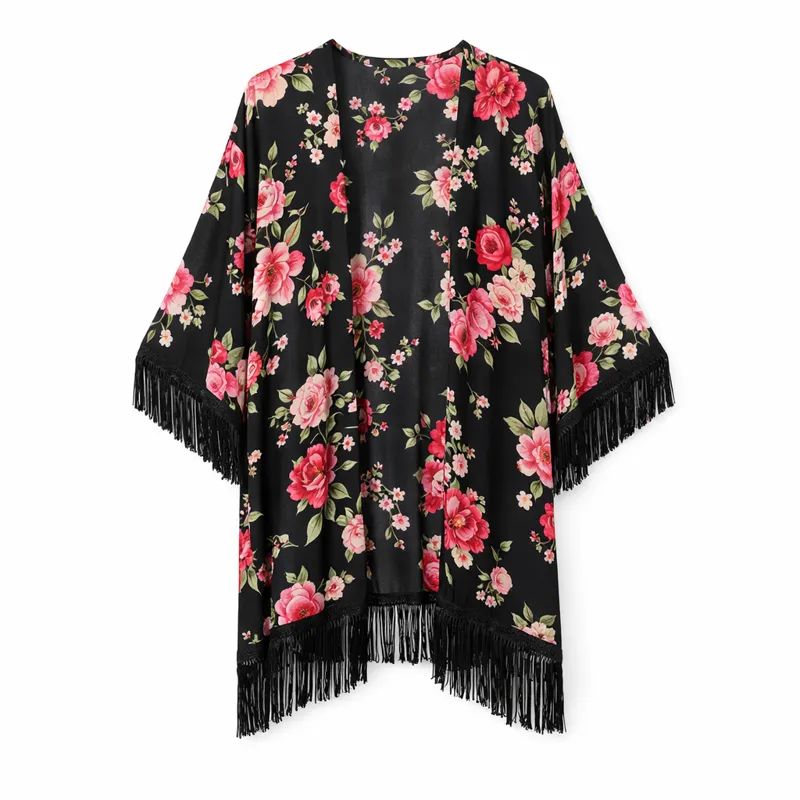
- If you don’t want to look excessive, let the kimono be the only print.
- Underneath, wear colors you already use a lot: white, black, denim, gray.
- Golden Rule: one print per outfit when you are starting out.
4.3. Hair and Makeup in Service of the Look
Another point we often forget: the same clothes can look like a costume or something super natural depending on your hairstyle and makeup.

- Very trendy look + very elaborate hairstyle = greater risk of looking costumed.
- Trendy look + simple and clean hairstyle = balanced trend.
- If you feel weird, try toning down your makeup or opting for a hairstyle that feels more like you.
Sometimes it’s not the dress that’s the problem; it’s that you don’t recognize yourself with the hair and makeup combo. Adjust that first before dismissing the piece.
5. How to Know if a Trend is Right for You (Quick Test)
I need you to have a little system to decide if something in style fits you. This will help you avoid impulsive purchases that end up in the back of the wardrobe with tags.
5.1. 5-Minute Fitting Test
- Quick photo in the mirror: take a picture with the trendy piece and look at it without filters.
- “Toned down” version: try the same piece with fewer accessories and with your most neutral basics.
- Spontaneous gesture: walk around a bit; if you keep adjusting the clothing or repositioning it, that’s a bad sign.
- Context test: imagine a real plan (work, lunch, an afternoon with friends) and ask yourself if you would walk out like that without hesitation.
- Mental note: from 1 to 5, how much do you see yourself in it? It only stays if you’re at a 4 or 5.
5.2. Signs That You Might Be a Bit Costumed
- You need to justify the look to everyone (“because it’s trendy…”).
- You recognize yourself more in your photos from other days than in those of this outfit.
- You think more about your clothes than about the plans you have.
- You only feel comfortable if everyone else is equally dressed up or more.
If several of these signs repeat, that trend may not be for you, or maybe you just need to tone it down a couple of notches (less volume, less color, less print).
6. Practical Cases: From Runway to Street Without Losing Your Style
Here are three concrete examples of how to turn a strong trend into a realistic look.
6.1. Shine and Metallics for Day Wear

The metallic editorial dress is spectacular, but to avoid looking costumed on the street, tone down the drama:
- Swap the long dress for a midi metallic skirt.
- On top, wear a basic white tee or a subtle neutral sweater.
- For shoes, opt for simple black sneakers or ankle boots.
The metallic still takes center stage, but you present a perfectly feasible look for an urban setting.
6.2. Slip Dress Without Looking Like You’re in Pajamas
Another strong trend is slip dresses: satin tops, thin straps. The trick lies in how you frame them.
- For the day: slip dress + basic t-shirt underneath + simple sneakers.
- For the night: the same dress + structured blazer + minimal sandals.
- If you feel too exposed, add a light layer like a kimono or fluid blazer.
6.3. Mixing Styles Without Losing Coherence
Something very current is mixing romantic + urban, boho + minimal, sporty + chic. Here the key is to choose which dominates.
- If the dress is very sweet, balance it out with tougher boots.
- If you’re wearing a sporty hoodie, elevate it with a blazer and structured bag.
- If you overdo the mixing, revert to your base uniform and add just one unique item.
7. Create Your Own Trend Filter
To avoid chasing everything coming out on social media, I suggest you build your personal filter. It’s a mini mental guide that helps you say yes or no to each new trend.
7.1. Your Style Constants
Write down (seriously, put it in writing) three ideas:
- Silhouettes that you feel good in (straight, fitted at the waist, oversized on top…).
- Colors that you always revert to and that people see you looking good in.
- Signature pieces (jeans, dresses, blazers, plain t-shirts…).
From there, each trend you see goes through this filter: does it respect at least two of your constants? If the answer is no, it’s better to see it on others and forget about it.
7.2. A Small Action Plan
To wrap up, here’s something very concrete you can do this week:
- Choose one current trend that attracts you (baggy, soft boho, metallic, cape, creamy monochromes…).
- Look for three basics in your wardrobe that could accompany it.
- Set aside some time to try combinations in front of the mirror, without rushing.
- Take pictures of the looks that make you feel like yourself.
- Save them in a folder on your phone titled “Looks That Are So Me.”.
FAQs About Trends and How to Not Look Costumed
How do I know if a trend fits my style?
Observe if you could pair it with at least three items you already own, if you see yourself wearing it in your everyday plans, and if when trying it on you recognize yourself in the mirror without needing to justify the look.
Where should I start if I never follow trends?
Start with accessories and small silhouette changes: some trendy sunglasses, a different bag, or a more relaxed cut pant. These are gentle adjustments that update your look without switching it up completely.
How to adapt a trend if I have a dress code at work?
Stick with one single idea from the trend (color, texture, type of garment) and wear it in discreet versions: a blouse in the trendy color, an updated shoe, or a contemporary cut blazer, but with sober lines.
What if I love a trend but feel weird wearing it?
Try toning it down: less volume, a more neutral color, combining it with very much your basics, and simplifying hairstyle and makeup. If you still don’t feel right, it’s probably a trend you’ll appreciate more on others than in your own wardrobe.
How many trendy pieces should I have in my wardrobe?
There isn’t a fixed number, but it works well if most of your wardrobe consists of versatile basics and you reserve very trendy pieces for about 20-30% of your clothing. This way, you can play without losing coherence in your daily style.