
If you love trends but often feel like you are “disguised,” this article is for you. We will ground today’s fashions in your everyday life, with discernment and without losing your essence.
How to Follow Trends Without Losing Your Identity
When a garment goes viral on social media, stores get filled and it seems like “everyone” is wearing it the same way. This is where fear sets in: Do I really like it, or do I just want it because it’s fashionable? Am I modern or do I look disguised?
The key is not to copy the runway look but to translate each trend into your personal language. Just as you adapt bold makeup to your daily routine, you can wear the season’s hottest items by scaling down the volume, colors, or proportions to fit your style.
Think of fashion as an all-you-can-eat buffet: you sample what you like, but you don’t have to put everything on the same plate. Your style is the filter that decides what stays and what goes.

A good capsule wardrobe with basics in neutral tones is the best foundation to reinterpret any trend without feeling disguised.
First, Define Your Base Style (Before Exploring Trends)
To ensure a trend doesn’t overpower your look, you need something very simple: to be clear about what your base is. That is, how you dress when you are not thinking about trends.
Mini Test: What’s Your Style When No One is Watching?
- Casual Comfortable: jeans, cotton T-shirts, white sneakers.
- Romantic: flowy dresses, ruffles, pastel colors, florals.
- Minimal Chic: straight lines, few colors, clean cuts.
- Boho: kimonos, embroidery, natural fabrics, eye-catching accessories.
- Urban: hoodies, cargo pants, chunky sneakers, leather.
Choose the one that best represents your daily life and keep it as your “base mode.” We will build trends on top of that.
Your base style acts as an anchor. If you try on a trendy pair of pants and feel “off,” it’s likely because you no longer recognize yourself. When you maintain your base (your shapes, colors, fabrics), even when you add something new, you still see the same person in the mirror.
5 Principles for Adapting Trends Without Feeling Disguised
Instead of thinking “is this in or out of style,” I propose you filter each trend through these principles. They will save you from impulsive purchases and closets full of unused garments.
1. One Featured Piece per Look
If you’re wearing a very eye-catching garment, let it take the spotlight and balance the rest with basics.
- Sequin top → pair it with straight jeans and simple sandals.
- Metallic pants → white tee and neutral blazer.
- Intense floral kimono → blue jeans and a plain top.
The key is for the eye to have a clear focus: one statement piece and everything else in support.
2. Keep Your Signature Colors
There are tones that bring you light and always look good on you. Make sure they remain the main focus.
- If you love beige and cream, try the total look trend in those tones, not in neons.
- If you always lean towards black, incorporate texture (satin, knit, soft leather) instead of changing color.
- If you adore pastels, wear metallic trends in accessories, not in large garments.
3. Adjust the Volume to Your Routine
A fashion editorial is not the same as commuting. You can tone down any trend with very simple gestures:
- Shorten the length of a very dramatic skirt from maxi to midi.
- Swap 10 cm heels for kitten heels or flats.
- Replace extreme eyeliner with a soft brown smudge.
4. Honor Your Favorite Silhouette
We all have a way of dressing in which we feel balanced. If a trend totally disrupts those lines, it’s easy to feel like you’re in costume.
- If you love straight pants, but baggy styles are in, try them in a flowing fabric with a medium rise.
- If you usually define your waist, add a thin belt to an oversized dress.
- If you like crop tops, wear them with high rise bottoms to avoid showing more than you are comfortable with.
5. Adapt the Fabric to the Context
The same cut looks totally different depending on the fabric. To bring a trend into your day-to-day, choose less stiff or shiny versions.
- Suit → in linen or blended with viscose, not just in cold wool.
- Fitted dress → in soft ribbed fabric instead of very thick stretchy material.
- Metallic garment → satin or fine lurex version instead of heavy sequins.
Current Trends and How to Make Them “Very You”
Let’s go through some of the most prominent trends right now and see easy-to-wear versions so they don’t stay in your online cart.
1. Cream Dresses and Elegant Neutral Tones
Cream, beige, and nude tones continue to reign in the capsule wardrobe. The key is to combine them with different textures so the look doesn’t seem like a uniform.
Fashion is in my DNA, and one thing I’ve learned over the years is that a total look in neutrals is never boring if you play well with volumes and accessories. A cream dress can be romantic, minimal, or boho depending on how you complete it.
- For the office: simple cream dress + structured blazer + loafers.
- For dinner: cream dress with special sleeves + strappy sandals + golden earrings.
- For everyday: flowy cream dress + denim jacket + white sneakers.

Quick Tip: If you aren’t used to wearing beige near your face, lower the neutral tone to pants or a skirt and keep a color that is already very you on top.
2. Baggy Pants and Relaxed Silhouette
Baggy pants have shifted from a fleeting trend to almost a new basic. They offer a relaxed and modern vibe, but I understand they can be daunting if you’ve always worn skinny or straight styles.
To avoid feeling lost in fabric, start with a less extreme version: medium rise, fluid fall, and without too many pockets or seams. Pair them with a more fitted top or tuck in your blouse.
- If you are petite, try with a single hem or no cuff, and add a bit of heel.
- If you have curvy hips, opt for fabrics with a bit of weight that fall straight.
- If you don’t see yourself in bright colors, start with a classic blue denim baggy.

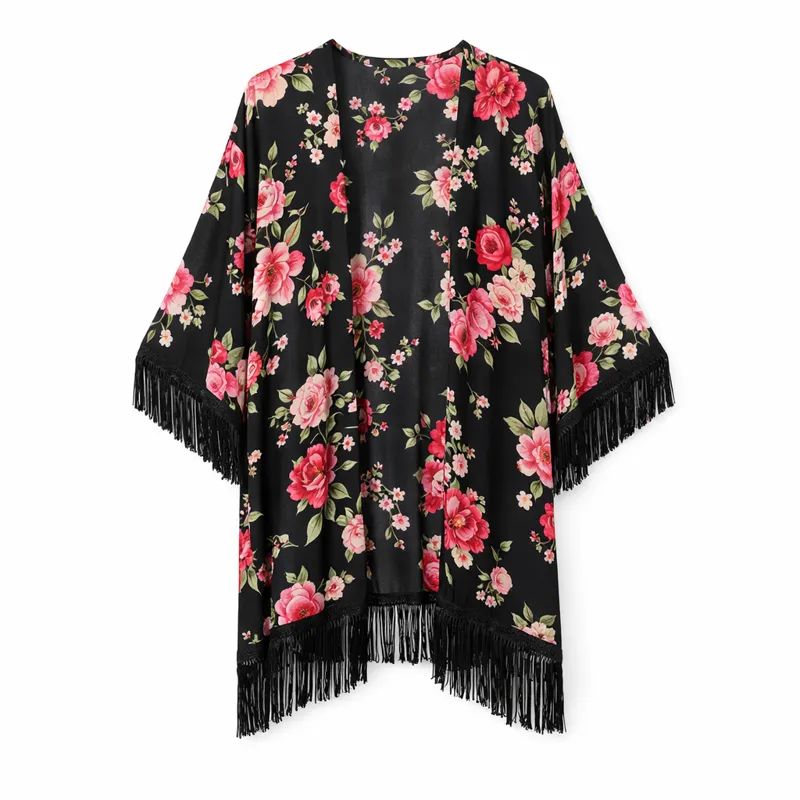
3. Kimonos and Printed Capes
Blanket-like capes and kimonos with bold prints are the perfect trend to transform a basic look effortlessly. The risk is that you may feel like you’re in a festival costume.
My favorite way to ground them is to combine them with an ultra-simple base: straight jeans + plain top + neutral shoes. This way, the kimono takes center stage without competing with anything else.
- First, choose the background of the print: if it’s black, white, or beige, it will be easier to integrate.
- If the print is very intense, avoid adding more patterns in bags or shoes.
- If you feel shy about wearing them open, define your waist with a thin belt.

4. Elegant Black Jumpsuit for Events
The black jumpsuit has taken ground from the typical party dress. It’s sophisticated, elongates the figure, and works for both afternoon weddings and important dinners. The trick is in the details.
If you don’t want to feel like you’re in a red carpet outfit, look for cuts that resemble your typical garments: pant rise similar to what you already wear, neckline that makes you feel comfortable, and fabric that isn’t too tight.
- For a formal event: add strappy sandals, sparkling earrings, and a structured clutch.
- For a more casual plan: pair it with a flowy blazer, comfortable ankle boots, and a crossbody bag.
- If you worry about the cold: choose a jumpsuit with three-quarter sleeves and play with lightweight shawls.

5. Festival Boho… Without Looking Like a Costume
Boho style returns every spring with off-shoulder tops, flowy skirts, and a myriad of accessories. It’s very photogenic, but taken to the extreme, it can feel costume-like.
My advice is to choose only two boho elements and keep the rest of the look cleaner. For instance: white boho set + simple sandals + structured bag instead of a fringed bag, hat, and vest all at once.
- Limit accessories: a statement necklace or large earrings, but not everything together.
- Choose neutral tones (white, sand, earth) to make the outfit appear more chic.
- If you don’t feel comfortable with off-shoulder styles, add an open linen shirt on top.

6. Sunglasses as a Trendy Touch
When a trend attracts you, but you don’t see yourself wearing a complete outfit, you can try it in accessories. Sunglasses are perfect for that: shapes, colors, metal frames, or thick plastic…
If your style is classic, start with subtle variations of what you already wear: a slightly more angular frame, a lighter tortoise color, a gradient lens. You don’t have to go from zero to futuristic sunglasses overnight.

How to Build Your Own “Trend Filter”
According to the experience of stylists who work daily with real wardrobes, what works best when adapting trends is to define a sort of “personal filter”: a few rules that you apply every time you see something new that tempts you.
Quick Checklist Before Falling for Impulse Purchases
- Would I wear this at least 10 times this season?
- Does it fit with three items I already own? (it doesn’t count if you say “I’ll just buy something to match it”).
- Do I feel like myself when I try it on? or do I feel like someone from Pinterest?
- Could I wear a simpler version of this?
- Does the fabric and color fit with my actual routine? transportation, office, kids, weather…
If you answer yes to at least three of these questions, it probably fits your style. If all are “no but…” and excuses, it’s a good sign that you like it on the screen, not in your real life.
Hair Care and Beauty: The Most Wearable Trends
The feeling of being in costume doesn’t only come from clothing. A hairstyle or makeup that strays too far from your usual look can make you feel unrecognizable. That’s why I prefer to work with very adaptable versions of each trend.
Sleek Waves and Well-Groomed Manes
Natural waves, almost like “just out of the sea,” remain very much in vogue. The simplest way to incorporate them without drama is to think first of your hair health: hydration, thermal protection, and cuts that respect your natural texture.
- If you have straight hair, try big waves with a round brush.
- If you have curls, define your pattern more with light products and avoid extreme straightening in your daily routine.
- If styling feels tedious, opt for soft layers that almost style themselves.

Makeup: From Editorial to Everyday
You see editorial looks with graphic eyes, dark lips, and hyper-worked skin. They inspire you but don’t feel practical for a trip to the grocery store. The idea is to rescue only one element from that makeup and tailor it to your reality.
- If you love bold lips, try a tinted lip balm first.
- If you’re drawn to strong eyes, start with a blended brown eyeliner.
- If you adore glowy skin, use highlighter only on the high points of your face.
Always think: “What would the daily version of this look be?” and stick with that.

Creating Visual Coherence: Key Pieces and Accessories
When you start playing with trends, it’s easy for the wardrobe to become a haphazard collage. To avoid this, I suggest building a small core of coherence: a few items and accessories that repeat and give continuity to everything.
Your Coherence Kit (Even as Trends Change)
- A jacket that always “saves” your look (blazer, biker, overshirt).
- A bag that works with 80% of your outfits.
- A type of shoe that always works for you (sneakers, loafers, ankle boots).
- A clear range of jewelry: gold or silver, delicate or more substantial.
If you repeat these elements, even if you change the trendy pieces, the result still feels “very you.”


Think of your style as a wall decoration: you can change a painting, add a new print, take one down… but there’s a common thread in frames, colors, or how you arrange them. The same goes for clothing.
A minimalist white jacket, for instance, can accompany you through different phases of your style: today with jeans and a T-shirt, tomorrow over a trendy dress. That silent repeat of key pieces is what makes your looks coherent even as you try out new styles.
Quick Summary: How to Avoid Feeling Disguised
To wrap up, I leave you with a quick scheme that you can save and review when you’re tempted by a new trend.
Golden Rules for Adapting Trends
- Always respect your base style (casual, romantic, minimal…).
- Choose only one protagonist per look (garment or accessory).
- Keep your signature colors and adapt trends to that palette.
- Adjust volume, fabric, and neckline to your real routine.
- Start by trying the trend in accessories before moving to large garments.
- Repeat a few key pieces to give coherence to all your outfits.
- Pass any purchase through your 5-question checklist.
Frequently Asked Questions About Trends and Personal Style
How do I know if a trend fits my style or if I just like it on social media?
Do the fitting room test: if you feel like you could go out like that without thinking too much, it fits you. If you need to imagine a special event to justify it, you probably only like it as an idea, not as a real garment in your wardrobe.
How many trends is it reasonable to follow at once?
There’s no fixed number, but it’s easier to maintain your essence if you incorporate only one or two per season. You can play with different versions (clothing, accessories, beauty), but maintain your base to keep looks from becoming unrecognizable.
What if a trend doesn’t look good on my body but I love it?
Look for the idea behind the trend and adapt the shape. For example, if you love crop tops but don’t want to show your abdomen, wear them with high-waisted bottoms or choose slightly longer tops that create the same proportional effect without exposing too much skin.
Is it better to invest in basics or trend pieces?
The most cost-effective approach is to invest in high-quality basics that you’ll wear all year round and add trending pieces in more accessible items or accessories. That way, when the trend passes, you won’t regret spending too much, and you can continue using your wardrobe staples.
How can I adapt trends if I have a strict dress code at work?
Bring fashion into the details: different textures in blouses and pants, shoes with a special touch, sunglasses, bags, manicures, or small pops of color in makeup. Your look will remain professional, but will appear current and connected to what you enjoy.
What should I do with trendy clothes that I already own but don’t wear because I feel disguised?
First, try downplaying them by combining them with your favorite basics. If you still don’t feel right, consider selling, swapping, or donating them. It’s better to free up space and make room for pieces that fit the person you are now.