
Fashion is in my DNA, and the more trends change, the clearer I am about one thing: following fashion does not mean dressing up in a costume. It means learning to translate what’s in style into your personal language.
In this article, I want to help you recognize the current trends and filter them so that only those that fit you, your body, and your real life stay in your wardrobe.
How to decide if a trend is for you (without drama)
Before talking about specific garments, I like to start with the mental filter. Because otherwise, you end up with a wardrobe full of things that don’t represent you.
Four key questions before following a trend
- Do I feel like myself? If when trying it on you recognize yourself in the mirror, you are on the right track. If you see yourself as “dressed up as…”, let it go.
- Does it fit my real life? Think about your day-to-day: work, transportation, weather. If you can only envision it “for pictures,” it may not be worth it.
- Does it pair with at least 3 things I already own? If a trend only works with one particular garment that you don’t have yet, be cautious.
- Does it flatter my silhouette and proportions? It’s not about strict rules, but about balancing volumes to feel comfortable.

Current trends you can adapt without feeling disguised
I will go through trend by trend, with a clear rule: how to bring it down to earth so that it works in a real wardrobe, not just on a runway or Instagram.
1. Loose silhouettes: baggy pants and relaxed fits
Wide pants and relaxed fits are still very strong. The danger is going overboard with “oversize” and getting lost in the clothing. The key is to balance volume and accentuate at least one part of your body.
- If you are into basics: pair baggy pants with a fitted t-shirt or a tailored top.
- If you like a trendy touch: add a visible belt and play with the hem (cuff, standout shoes).
- If you are short: look for a high waist and show a bit of ankle to elongate your legs.

2. Cream minimalism and soft neutral tones
Cream, beige, vanilla, and all the latte hues are a trend that almost always adds value, as they are easy to combine and give that chic touch effortlessly.

- To avoid looking “washed out”: add contrast with accessories in black, chocolate brown, or metallics.
- If you have very fair skin: choose a cream slightly darker or mix with off-white.
- If you like color: use the cream look as a canvas and add a bold bag or shoe.
The key to modern minimalism is not about “wearing little,” but choosing lines and cuts that best harmonize with your body.
3. Capes and blanket coats
Capes and blanket-style coats are trending because they stylishly solve transitional weather. But if you’re not careful, they can hide your entire figure.
- Define your waist: use a thin belt over the cape coat if you want to maintain some structure.
- Show your wrists or ankles: revealing slim areas compensates for the overall volume.
- Play with contrast: wide cape + cleaner bottom (straight pants, fitted jeans).

4. Refined boho: from festival to city

Boho is still here, but less overloaded. Fringes, embroidery, and ruffles remain, but in smaller doses. If you don’t want to look like a festival costume, think like this:
- One standout boho piece (kimono, skirt, top)…
- …and everything else very clean: straight jeans, plain t-shirt, simple sandals.
According to the experience of some international fashion editors, the success of an urban boho look lies in the materials: cotton, linen, and fabrics that drape well, instead of overly rigid or shiny pieces.
5. Elegant black jumpsuit: the new “little black dress”
The black dressy jumpsuit has earned its place as a modern alternative to the cocktail dress. It’s comfortable, elongates the figure, and allows for many levels of formality.
- For an evening wedding: add heeled sandals, statement earrings, and a metallic clutch.
- For an elegant but relaxed dinner: wear it with a soft blazer and medium heel.
- To reduce formality: swap the shoe for a ballerina flat or low ankle boot and add a short denim jacket.

6. Kimonos and statement print garments
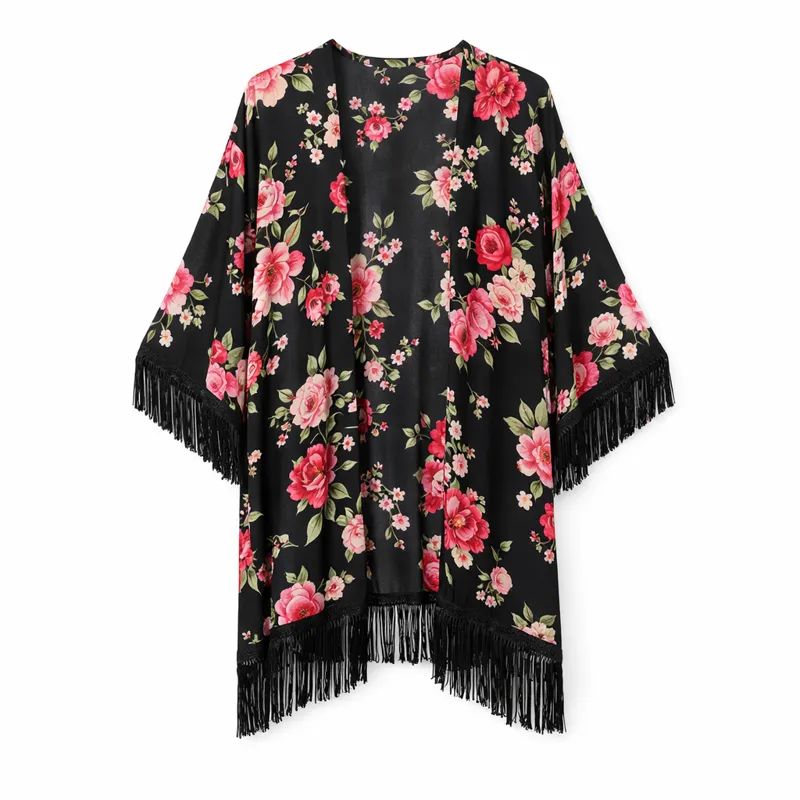
Bold prints can be addictive, but they are also responsible for many “this is no longer me” moments after a season. To ensure the print doesn’t overwhelm you:
- Let it take the lead: one printed piece per look.
- Everything else plain: repeat one or two colors from the print itself.
- Control the volume: if the kimono is very wide, balance it with a more straight or skinny pant.
How to adapt trends to your basic style
Not everyone has the same starting point. Some relate to a more classic style, others are totally urban, and others very boho… Here’s a quick guide to “translate” trends depending on your base.
| Your base style | Easy trend to adapt | How to make it yours |
|---|---|---|
| Classic / working girl | Black jumpsuit, oversized soft blazer | Keep neutral colors and polished accessories; play with the cut but not with the print. |
| Casual minimal | Baggy pants, total cream look | Balance with basic t-shirts and clean sneakers; avoid mixing too many volumes at once. |
| Boho / romantic | Kimonos, flowy skirts, dresses with volume | Downscale the trend with soft colors and one standout detail per look. |
| Urban chic | Capes, trendy sunglasses | Play with layers and accessories, but over a very neutral base (black, gray, white). |
On-trend accessories: small changes, great impact
If you don’t feel like changing half your wardrobe, focus on accessories. They are the easiest way to update your style without losing your essence.
Sunglasses: the most powerful filter for your look
Sunglasses are one of the trends that show up the quickest. Oval, slim rectangular, oversized seventies frames… All of these change the outfit’s language in seconds.
- If your style is subtle: choose thin frames in black, tortoiseshell, or nude.
- If you like to take risks: try pastel colors or more defined shapes, but keep the clothes simple.
- If you have a small face: avoid oversized glasses so you don’t “disappear”.

Light jackets and layers

A single special jacket can make your usual clothes seem new. Think of it as the “cover” of your looks.
- White or cream: ideal if your wardrobe has many jeans or darks.
- Straight and clean cut: works with dresses, pants, and skirts.
- Minimal details: pretty buttons, an unusual pocket… just enough to make it special without tiring of it.
Taking care of your hair: the trend that makes everything else work
No matter how trendy your clothes are, if your hair looks neglected, the look loses strength. Conversely, many times, a well-done cut or color makes jeans and a t-shirt feel different.

When adapting trends, also think about your hair:
- If you wear very structured garments: a looser, more flowing hairstyle balances things out.
- If your clothing is very flowing and boho: a slightly polished hairstyle (low ponytail, messy bun) balances the whole.
- If you frequently change hair color: ensure the tones match your favorite clothing palette.
How to find inspiration without copying and without losing your essence
Finding inspiration is healthy; copying down to the last detail is not as much. The goal is for you to see a look on social media and ask yourself: “How would I translate this with what I have and who I am?”.
Quick checklist before bringing a trend into your wardrobe
- What do I really like about this look? (color, silhouette, texture, attitude…)
- Do I already have something similar in my wardrobe that can serve that purpose?
- If I buy something, do I see myself wearing it two years from now?
- Do I need to adjust it (length, waist, neckline) to suit my body?
Frequently asked questions about trends and personal style
How do I know if a trend really suits me?
The best test is the mirror and how you feel. Move, sit, make natural gestures. If you find yourself constantly adjusting the garment or feel like the clothes are looking more at you than you are at them, it is not your trend.
Can I mix several trends in one look?
Yes, but with moderation. It works well to combine one standout trend (e.g., baggy pants) with another softer one (trendy sunglasses). Avoid combining too many highly trendy pieces at once to prevent feeling disguised.
What do I do if a trend I love “doesn’t look good on me?”
Look for an adapted version: change the length, fabric, or volume. Often it’s not the idea that doesn’t suit you, but the specific cut. And if it still doesn’t work, get inspired by the spirit of the trend (color, attitude) and apply it in your own way.
How many trendy items should I have in my wardrobe?
There’s no exact number, but as a guideline, try to ensure that most of your wardrobe consists of basics and timeless pieces, while reserving the highly trendy items for a smaller percentage. This way, you can enjoy variety without feeling lost.
How do I adapt trends if I work in a very formal environment?
Introduce trends in small details: texture of the bag, shape of the shoe, soft print of a blouse, or a slightly more updated blazer cut. This way, you respect the dress code while keeping your style updated.